
Compostable PLA Clamshell Boxes for Food Packaging
PLA clamshell boxes from Pure Form Solution are compostable clamshell containers for fresh produce, salads, deli items, bakery products and takeout. They offer crystal-clear visibility with no petroleum feedstock.
- Plant-based PLA
- Crystal-clear product visibility
- Secure snap-latch closure
- Industrial composting where certified
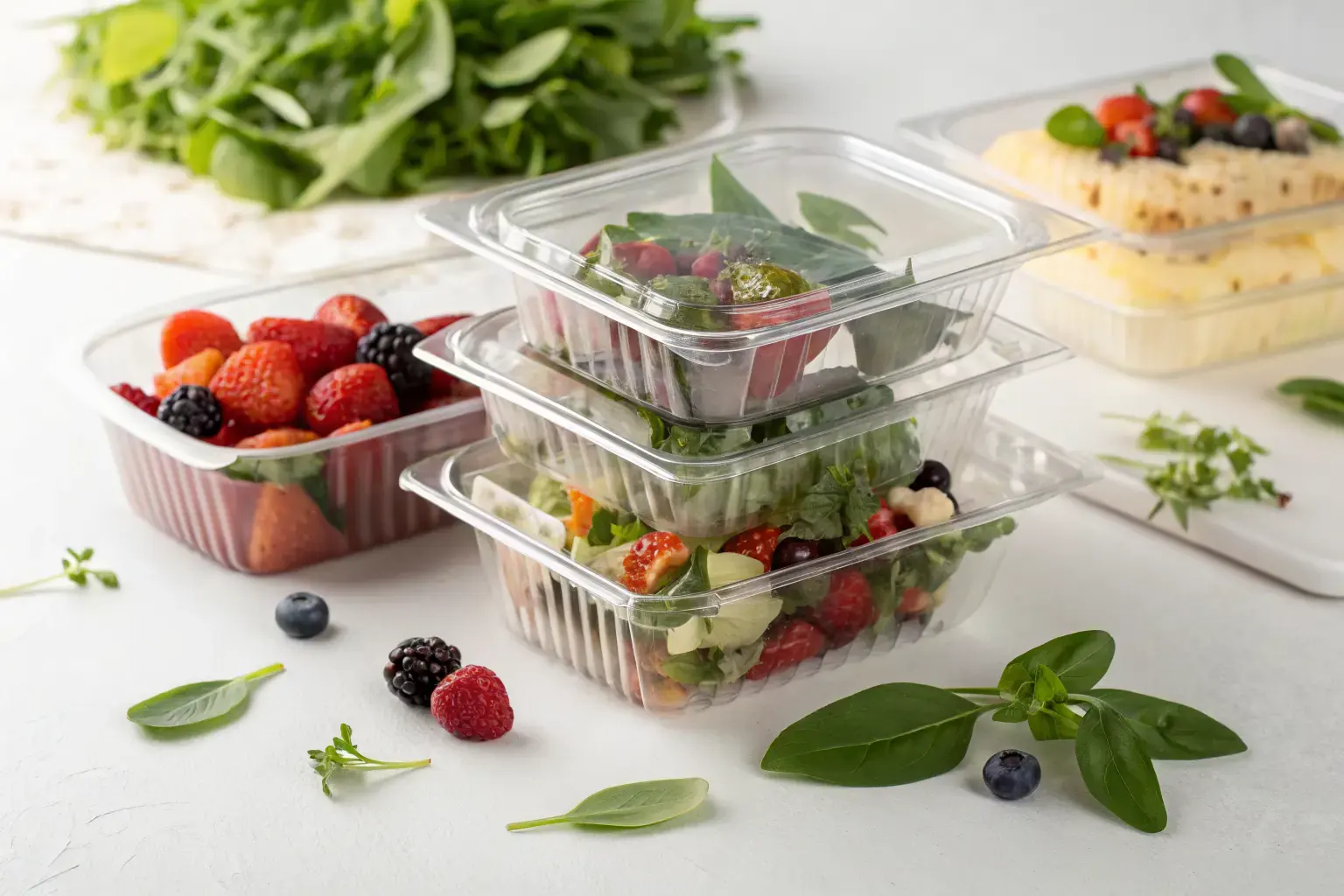
PLA Clamshell Boxes Overview
PLA clamshell boxes are hinged, snap-closing food containers made from polylactic acid, a plant-based bioplastic. They are used as a replacement for PET plastic clamshells for salads, berries, sandwiches, pastries and restaurant takeout, with the same crystal-clear view of the food.
Clarity matters at retail: shoppers are more likely to buy food they can see. PLA offers the high transparency that makes PET so common, while being derived from corn starch and sugarcane instead of fossil fuel. The line includes salad and deli boxes, vented produce clamshells, tall-dome bakery clamshells and divided meal-prep containers in one, two and three compartments.
Businesses choose PLA clamshells to reduce petroleum plastic in takeout and fresh-food packaging and to offer a compostable pack in markets where industrial composting is available. Standard PLA is best suited to cold and chilled foods because it softens at lower temperatures, so ask about heat-tolerant options before using it with hot food.
Retail and food service buyers can request samples of the clamshell format they use most, check lid closure and clarity against their current PET packs, and confirm with our team where industrial composting is available for their customers.
It replaces: PET plastic clamshells. For fresh meat, see PHA meat packing trays. Add sauces with PHA souffle cups. For home-compostable food packaging, compare PHA rigid containers.
PLA Clamshell Boxes Features and Benefits
Plant-based PLA construction
Made from polylactic acid derived from renewable corn starch and sugarcane, with no petroleum feedstock.
Sizes and configurations
Salad and deli: 8, 16, 32, 48 oz. Produce: 4, 8, 12, 16 oz, 1 pint and 1 quart with micro-ventilation. Meal prep: 24, 36, 48, 60 oz in 1, 2 and 3 compartments. Bakery: tall-dome and flat-base styles.
Closure and clarity
Crystal-clear PLA, an anti-fog interior on salad boxes, snap-lock closure and stackable retail design.
Temperature and custom options
Standard PLA has a heat deflection temperature around 110 to 140°F (45 to 60°C), so it is best for cold foods. Custom sizing, compartments and branded options are available for retail and food service accounts.
Why Businesses Choose PLA Clamshell Boxes
- An alternative to PET clamshells without sacrificing visibility.
- Supports retailer and customer sustainability expectations.
- Broad range of formats for produce, deli, bakery and takeout.
- Wholesale and custom sizes quoted per order. Industrial composting is required for end-of-life claims.
PLA Clamshell Boxes Technical Specifications
| Product material | PLA from corn starch and sugarcane |
|---|---|
| Available sizes | 4 oz to 60 oz depending on format |
| Dimensions | Contact us for specifications |
| Capacity | 4 oz to 60 oz |
| Color | Crystal clear |
| Packaging configuration | Single and multi-compartment options |
| Minimum order quantity | Contact us for specifications |
| Customization | Custom sizing, compartments and branded options |
| Applicable certifications | Contact us for specifications |
| Food-contact documentation | Food-contact documentation available on request. Contact us for documentation. |
| Shipping and availability | Quoted per order |
Only documented specifications are listed. For anything marked “Contact us for specifications”, ask a packaging specialist.
Material and Sustainability: PLA (polylactic acid) from corn starch and sugarcane vs Conventional Plastic
Conventional petroleum-based plastic
Conventional packaging for this category is made from petroleum-based plastics such as PET, polypropylene, polystyrene or HDPE. These polymers start as fossil fuel, and they can persist in the environment for a very long time if they escape waste systems.
PLA (polylactic acid) from corn starch and sugarcane
Polylactic acid (PLA) is a bioplastic made from renewable plant-derived feedstocks, mainly the sugars in corn starch and sugarcane. The plant sugars are fermented to lactic acid, which is then polymerized into PLA resin. PLA is commonly certified for industrial composting, where sustained high temperatures break it down; it is not designed to degrade in a home compost bin, soil or the ocean.
The clamshells are made from polylactic acid derived from renewable corn starch and sugarcane. PLA may be certified for industrial composting, not for home composting, so these boxes should go to commercial composting where it is available.
Biodegradation and compostability
Biodegradation and compostability claims depend on the exact material, the test standard and the conditions, such as temperature, moisture and microbial activity. A certificate for one product does not automatically cover another.
PLA is a different material from PHA. Any OK Compost Industrial certificate must be confirmed for the exact clamshell; home compost, soil and marine biodegradation are not claimed for PLA.
Learn more in our PHA bioplastics guide, the PHA vs PLA comparison and the certifications overview.
What Is PLA (Polylactic Acid)?
PLA is a plant-based bioplastic made from the sugars in renewable crops, mainly corn starch and sugarcane. The sugars are fermented to lactic acid, which is polymerized into PLA resin and molded into PLA food containers. It contains no petroleum feedstock and is the reason these clamshells are described as plant-based food packaging.
PLA is not the same as PHA. PLA is designed for industrial composting, whereas PHA is made by microbial fermentation of plant oil and carries home, soil and marine listings. This page covers the PLA clamshell line only.
See also: PHA vs PLA comparison
Transparency, Closures and Available Configurations
Clear compostable containers sell food, because shoppers buy what they can see. PLA offers crystal-clear transparency comparable to PET, with an anti-fog interior on salad boxes. Clamshells close with a secure snap-lock and are designed to stack at retail.
- Salad and deli: 8, 16, 32 and 48 oz.
- Fresh produce: 4, 8, 12 and 16 oz, 1 pint and 1 quart with micro-ventilation.
- Meal prep: 24, 36, 48 and 60 oz in one, two and three compartments.
- Bakery: tall-dome and flat-base styles.
Industrial Composting vs Home Composting
This is the most important distinction for PLA. PLA clamshells are certified for industrial composting, which uses sustained high temperatures, commonly in the range of roughly 55 to 60°C (131 to 140°F), and managed conditions that a backyard bin cannot match. They are not certified home compostable, and they are not claimed to biodegrade in soil or the ocean.
In practice, tell customers to place the container in commercial composting or a food-waste collection stream where available, not in a home compost bin. If your market has limited industrial composting, evaluate our PHA containers, which carry a home-compostable listing, or ask our team for guidance.
See also: PHA rigid and flexible containers | Certifications overview
Supermarkets, Produce Suppliers, Bakeries, Delis and Takeout
Supermarkets and produce suppliers use vented clamshells for berries, tomatoes and other fresh produce. Bakeries use tall-dome clamshells for pastries and cakes. Delis use salad and deli boxes. Restaurants and takeout businesses use sandwich, burger and meal clamshells and divided containers. Standard PLA softens around 110 to 140°F, so it is best for cold and chilled foods; ask about options before using it with hot food.
See also: Food manufacturing packaging | Restaurant and food service packaging
Certifications and Documentation for PLA Clamshell Boxes
A TÜV Austria mark appears below only when the exact certificate for PLA Clamshell Boxes has been verified. Marks never carry over to other products, and each certificate covers specific materials, test conditions and disposal environments. Where no mark is shown, request the certificate documents before you buy. PLA is a different material from PHA. Any OK Compost Industrial certificate must be confirmed for the exact clamshell; home compost, soil and marine biodegradation are not claimed for PLA.
OK Compost Industrial
Certificate on request
OK Compost Home
Not claimed
OK Biodegradable Soil
Not claimed
OK Biodegradable Marine
Not claimed
OK Biodegradable Water
Not claimed
OK Biobased
Certificate on request
Read the certifications overview or request the certificate documents for this product.
Industries That Use PLA Clamshell Boxes
Grocery stores and produce packers
Vented clamshells for berries, tomatoes and other fresh produce.
Restaurants and takeout
Burger, sandwich and meal clamshells.
Delis and bakeries
Tall-dome and flat clamshells for salads, pastries and baked goods.
Catering and meal prep
Divided containers for catering and meal-prep kits.
Explore related industry pages: food manufacturing packaging, restaurant and food service packaging.
Wholesale Ordering for Compostable Clamshell Containers
Retail and food-service buyers can request samples of the format they use most.
- Tell us the formats you buy: produce, salad, bakery or meal prep, with sizes.
- Share whether you need custom sizing, compartments or branded options.
- Request samples and check closure and clarity against your current PET packs.
- Receive a quote and confirmation of industrial composting availability for your customers.
Related Sustainable Packaging Products
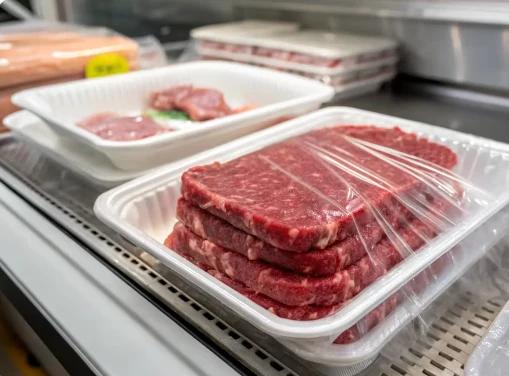
PHA Meat Packing Trays
PHA trays with a ribbed base, compatible with MAP film sealing.
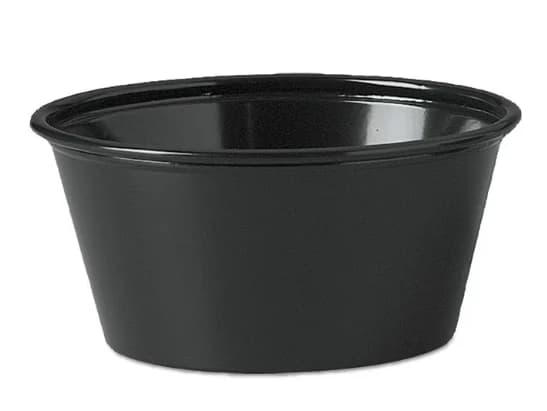
PHA Souffle Cups
2 oz black PHA souffle cups for sauces and dressings.
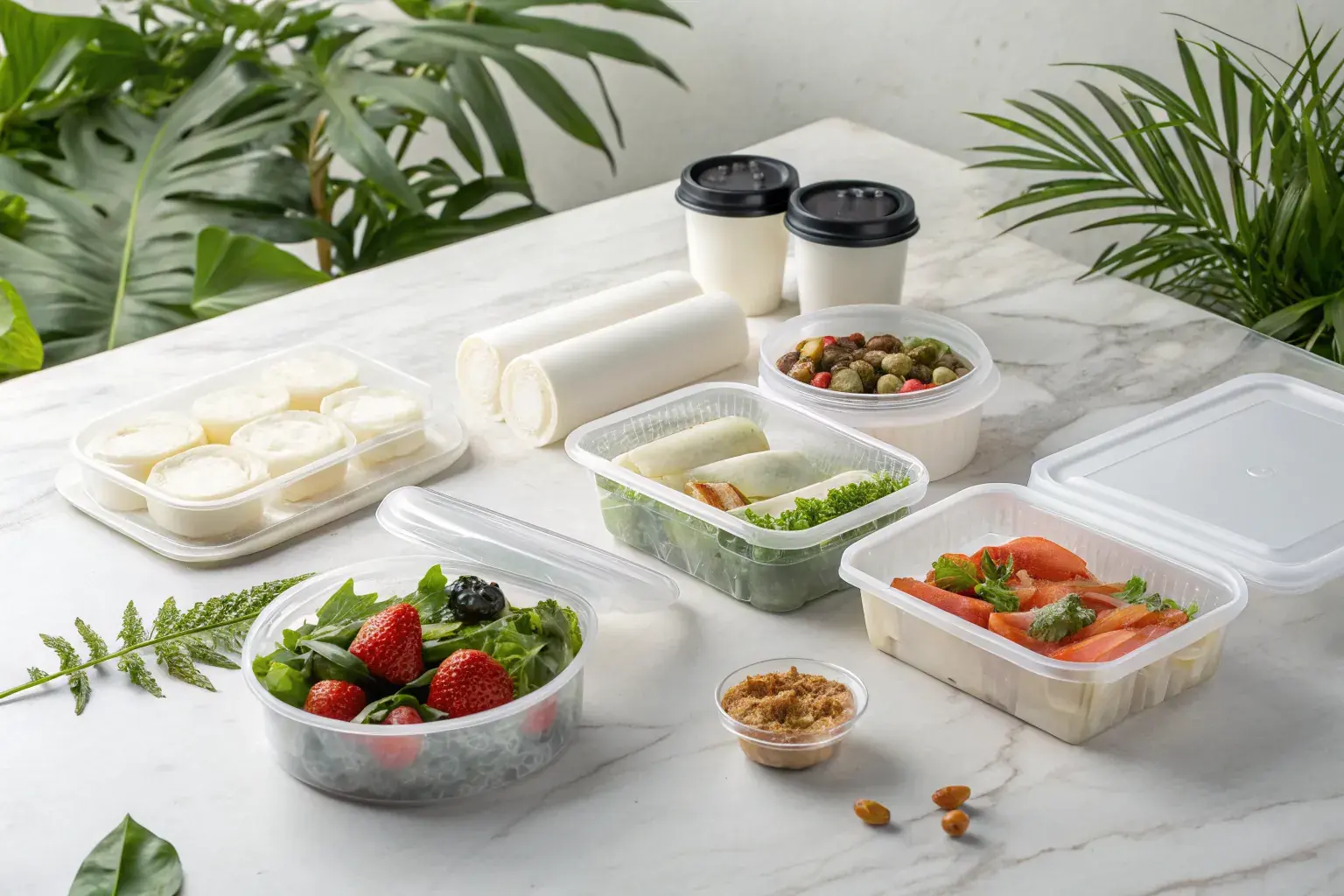
PHA Rigid and Flexible Containers
Yogurt tubs, cosmetic jars, food wrap and produce boxes in PHA.
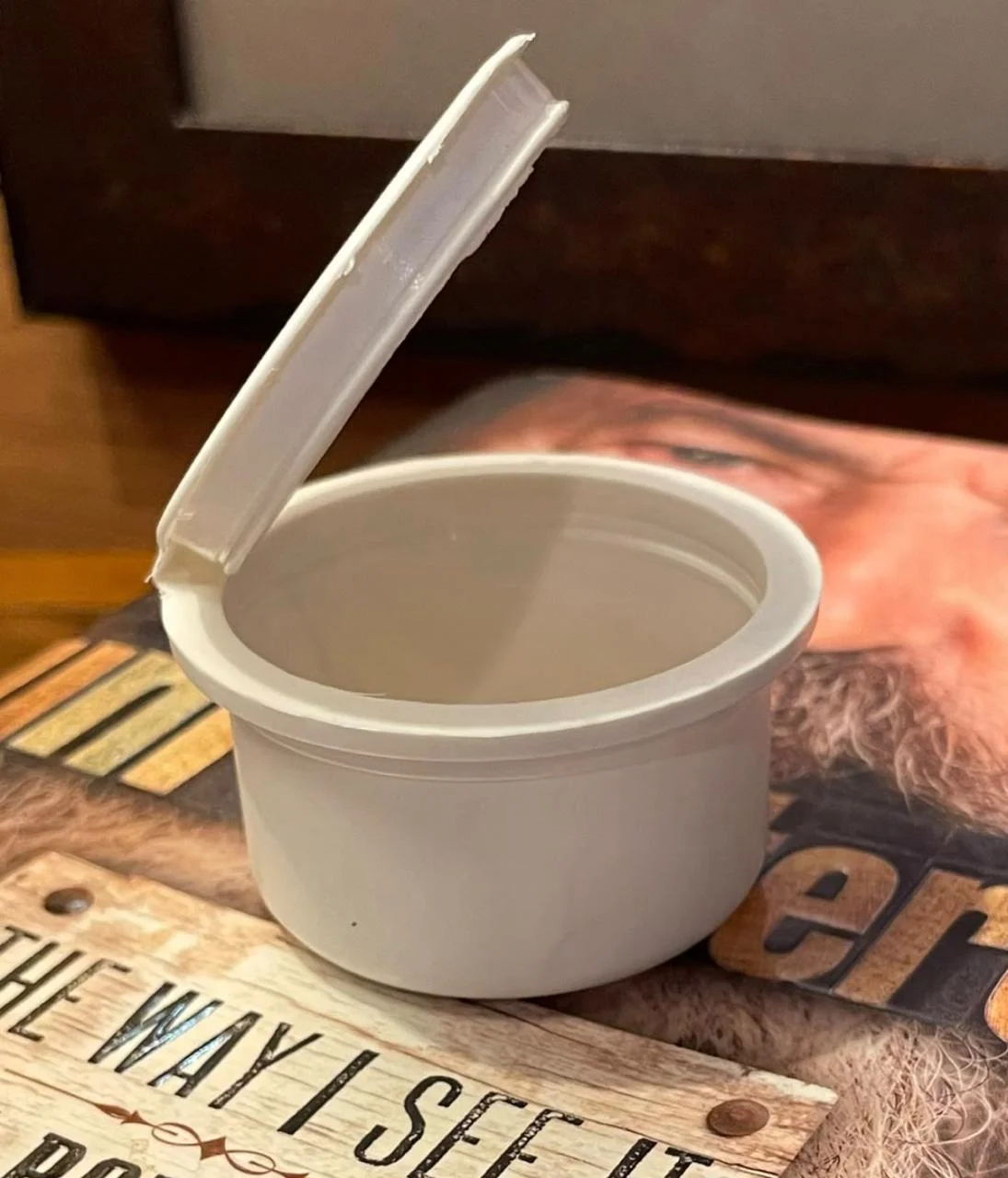
PHA Pop Top Containers
Hinged PHA pop top containers from 13 to 90 dram.
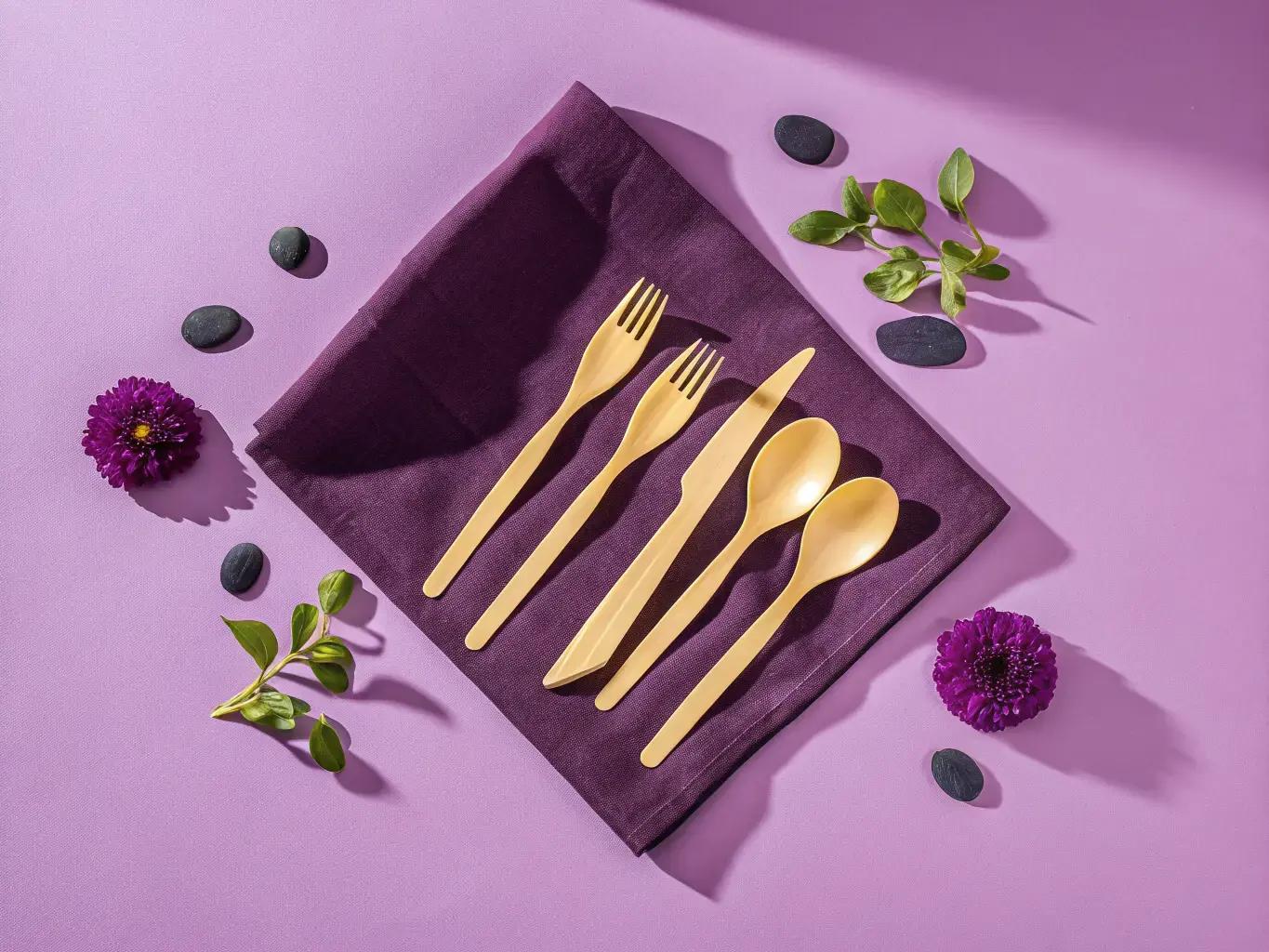
PHA Utensils
Forks, spoons and knives made from PHA. Home compostability depends on the certificate for the exact item.
Read more: PLA clamshell boxes guide | PHA and PLA clamshell boxes. Or browse the full product catalog.
PLA Clamshell Boxes FAQ
What are PLA clamshell boxes made from?
Polylactic acid, a bioplastic derived from renewable corn starch and sugarcane.
Are they biodegradable or compostable?
PLA industrial composting certification must be confirmed for the exact clamshell. They are not claimed to be home compostable, soil or marine biodegradable.
Are they suitable for hot food?
Standard PLA softens around 110 to 140°F, so it is best for cold and chilled foods. Ask about heat-tolerant options for hot applications.
Are they suitable for commercial food service?
Yes. They are designed for produce, salads, deli, bakery and takeout, and are Food-contact documentation available on request.
What sizes are available?
From 4 oz produce clamshells to 60 oz meal-prep containers, in one, two or three compartments.
Can we customize them?
Custom sizes, compartments and branded options are available. Contact us about minimums.
How do we request samples or wholesale pricing?
Use the Request Samples or Request Pricing buttons.
Are PLA clamshells home compostable?
No. They are certified for industrial composting only. Home composting, soil and marine biodegradation are not claimed for PLA.
What is the PLA feedstock?
Renewable plant sugars from corn starch and sugarcane.
Can the clamshells hold hot food?
Standard PLA softens around 110 to 140°F, so it is best for cold and chilled foods.
Which businesses buy these containers?
Supermarkets, produce suppliers, bakeries, restaurants, delis and takeout businesses.
Are the containers clear?
Yes. They are crystal clear, with an anti-fog interior on salad boxes.
Request a Wholesale Quote for PLA Clamshell Boxes
Tell us about your business and order. A packaging specialist will reply with pricing, documentation and next steps.
Need samples or custom packaging? Request product samples or discuss custom packaging. Prefer to browse first? View the full products catalog.