
Sugarcane-Based Bottles: A Petroleum-Free Packaging Alternative
Our sugarcane bottles are a petroleum-free packaging alternative for beverage brands, hotels and event operators that want to move away from conventional PET bottles. The material is derived entirely from sugarcane, a renewable crop.
- Sugarcane-derived PLA feedstock
- Compostable composition
- Suitable for acidic juices, milk and other PET-replacement uses
- Produced in the United States at scale
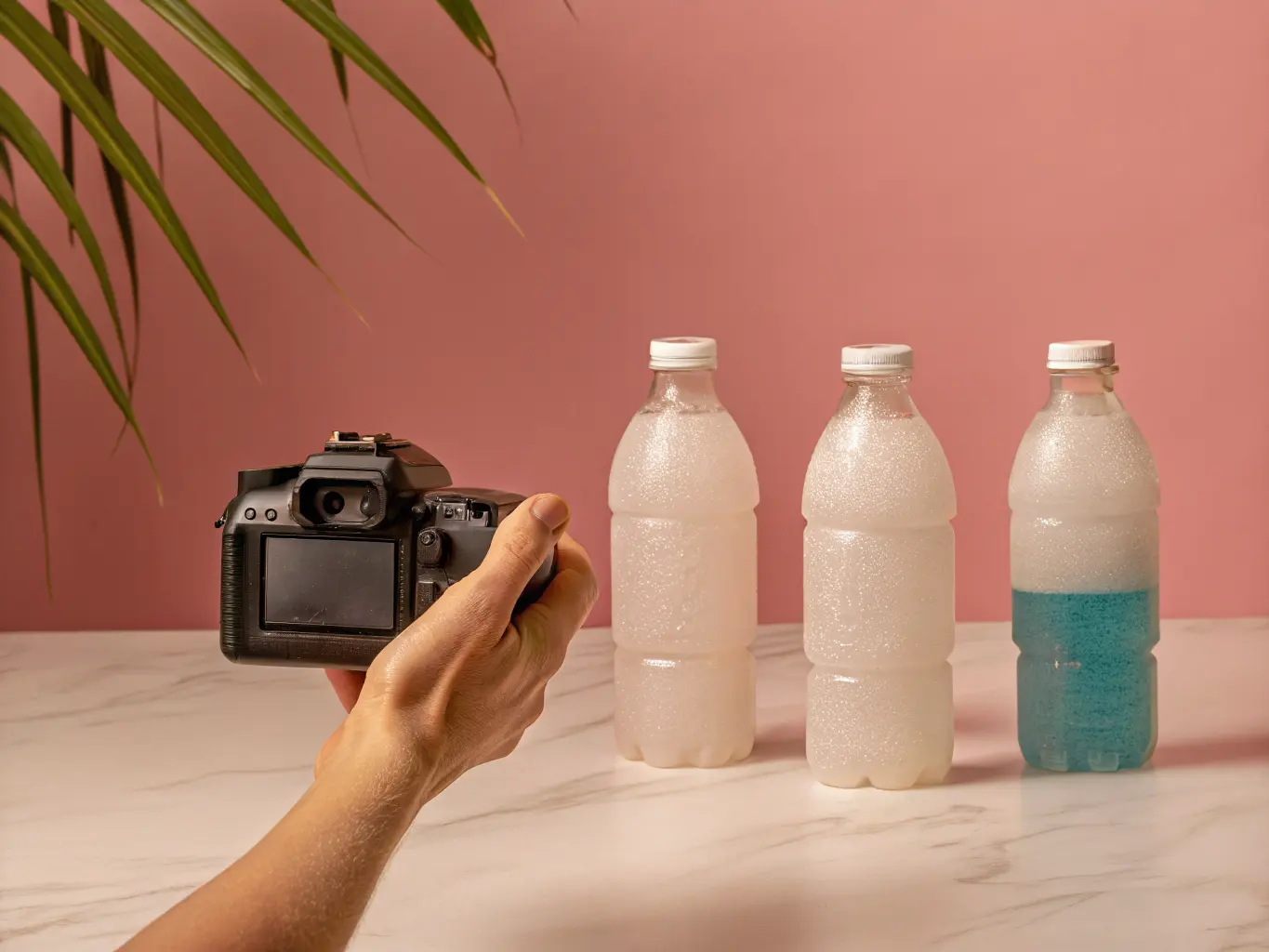
Sugarcane-Based Bottles Overview
Our compostable bottling line is a sugarcane bottle made without any petroleum-based feedstock. Where a conventional bottle is molded from PET, a fossil-fuel plastic, this bottle is made from a bioplastic derived entirely from sugarcane. It is designed for the same jobs as a standard beverage bottle: still water, juices, milk and other drinks that businesses currently sell in PET.
Businesses consider sugarcane bottles when they want a packaging story that goes beyond recycling messages. Hotels, event operators, beverage start-ups and private-label programs use them to show customers a concrete move away from petroleum plastic. The material also contains trace calcium that is beneficial to marine life, and it burns without smoke or carbon emissions, which is why the bottle is described as petroleum-free rather than merely lighter-weight.
The bottles are produced in the United States at scale and can be co-branded or white-labeled. Because end-of-life claims depend on the exact formulation and test conditions, we supply documentation on request instead of making blanket claims on this page.
It replaces: PET plastic water and beverage bottles. Selling water under your own label? See our plant-based water bottles with co-branding. For dairy and juice formats, compare the PHA milk and juice jugs. Hotels can pair bottles with a hotel sustainability program.
Sugarcane-Based Bottles Features and Benefits
Sugarcane material composition
The bottle is made from a sugarcane-derived bioplastic with no petroleum-based feedstock. The composition is described as fully compostable, and it is a different material from the PHA used in most other Pure Form Solution products.
Performance in beverage applications
The bottles are suitable for acidic juices, milk and the other drinks that businesses typically fill into PET. Unrefrigerated PET bottles can exceed 140°F in transit; ask our team about temperature performance for your own supply chain before ordering at volume.
Branding and white-label options
Co-branded and white-label customization is available, including your logo and packaging design. Ask our team for lead times and minimums.
Circular end-of-life uses
Beyond composting, the material can be repurposed. It contains trace calcium beneficial to marine life and burns without smoke or carbon emissions.
Why Businesses Choose Sugarcane-Based Bottles
- A concrete alternative to PET beverage bottles, made from a renewable crop.
- Supports business sustainability objectives and gives customer-facing proof of a petroleum-free choice.
- Co-branded and white-label options let you put your own brand on the bottle.
- Wholesale quantities are quoted per order. Performance should be validated with your own product through samples.
Sugarcane-Based Bottles Technical Specifications
| Product material | Sugarcane-derived PLA bioplastic (request bio-based content documentation) |
|---|---|
| Available sizes | Contact us for specifications |
| Dimensions | Contact us for specifications |
| Capacity | Contact us for specifications |
| Color | Contact us for specifications |
| Packaging configuration | Contact us for specifications |
| Minimum order quantity | Contact us for specifications |
| Customization | Co-branded and white-label options available |
| Applicable certifications | Contact us for specifications |
| Food-contact documentation | Contact us for food-contact documentation |
| Shipping and availability | Produced in the United States. Lead times quoted per order. |
Only documented specifications are listed. For anything marked “Contact us for specifications”, ask a packaging specialist.
Material and Sustainability: Sugarcane-derived bioplastic vs Conventional Plastic
Conventional petroleum-based plastic
Conventional packaging for this category is made from petroleum-based plastics such as PET, polypropylene, polystyrene or HDPE. These polymers start as fossil fuel, and they can persist in the environment for a very long time if they escape waste systems.
Sugarcane-derived bioplastic
Sugarcane is a fast-growing renewable crop. For this product the bottle material is derived entirely from sugarcane, with no petroleum-based feedstock. Sugarcane-derived bioplastics trade fossil carbon for plant carbon, which is a different source from conventional PET.
The bottle material is derived entirely from sugarcane, with no petroleum-based feedstock. Sugarcane is a fast-growing renewable crop, and the resulting bioplastic is used here as a replacement for the fossil-based PET used in conventional beverage bottles.
Biodegradation and compostability
Biodegradation and compostability claims depend on the exact material, the test standard and the conditions, such as temperature, moisture and microbial activity. A certificate for one product does not automatically cover another.
Sugarcane-derived PLA is a different material from PHA and is documented separately. Any OK Compost Industrial or OK Biobased certificate must be confirmed for your exact bottle; home compost, soil and marine biodegradation are not claimed for PLA.
Learn more in our PHA bioplastics guide, the PHA vs PLA comparison and the certifications overview.
How Sugarcane Bottles Are Made
Sugarcane bottles start with a crop rather than a barrel of oil. Sugarcane is grown, harvested and processed to extract plant sugars, and those sugars are converted into a bioplastic resin that is then formed into beverage bottles. The result is a sugarcane-based bottle with no petroleum-based feedstock, which is why buyers describe it as a petroleum-free bottle instead of a lighter-weight plastic bottle.
For sustainable bottle manufacturing, the practical point is that the finished bottle is meant to do the same job as a conventional PET beverage bottle: hold still water, juice, milk or other drinks at standard fill volumes, accept a cap, and carry a label or printed branding. Exact wall thickness, neck finish and cap style are confirmed per order, so tell us the fill volume and closure you use today and we will match the nearest configuration.
Sugarcane-Derived Material vs PHA: What Is the Difference?
Pure Form Solution supplies two very different families of bio-based material, and buyers comparing plant-based beverage packaging should not treat them as interchangeable. Sugarcane bottles are made from a bioplastic whose polymer is built from plant sugars, the same plant-sugar route used for PLA. PHA (polyhydroxyalkanoate) is different: it is produced directly by microorganisms that ferment plant oil, such as canola oil, and store the polymer inside their cells as an energy reserve.
The difference matters at end of life. PHA carries marine, soil and home compostability listings at the material level, while sugarcane-derived bioplastic is listed for industrial composting and OK Biobased. If your claim is about the ocean or a backyard compost bin, a sugarcane bottle is not the right material to make it with. If your goal is a petroleum-free bottle for a beverage line that will be collected and composted commercially, it can be a strong fit.
- Sugarcane-derived bottle: plant sugars converted to a polymer, industrial composting and OK Biobased listings.
- PHA products: microbial fermentation of plant oil, with marine, soil and home composting listings at material level.
- Both avoid petroleum feedstock, but each needs its own certificate for the exact product.
See also: PHA vs PLA: what is the difference? | PHA bioplastics guide
Available Configurations and Customization
Bottle sizes, neck finishes, caps and case configurations are quoted per program because they depend on your product and channel. Co-branded and white-label programs are available, including your logo and packaging design. Dimensions and capacities are not published on this page because they vary by configuration; our team provides the specification sheet for the bottle you are evaluating.
To scope a quote quickly, have these details ready: target fill volume, product type (still water, juice, milk or other), closure preference, label or print method, annual volume and delivery location.
Commercial Beverage Applications
Sugarcane bottles are suited to the beverages businesses already fill into PET. Still water is the most visible use. The bottles are also described as suitable for acidic juices and milk, so beverage start-ups, juice companies and private-label programs can evaluate one bottle across several products. Hotels use them for in-room and conference water, and event and venue operators use them where bottle volumes are very high.
Because unrefrigerated PET bottles can exceed 140°F in a delivery truck, confirm temperature performance for your own supply chain before ordering at volume, and run a sample fill with your actual product.
See also: Hotel sustainability program | Concert and venue program | Coffee and beverage packaging
Business Benefits of Replacing Petroleum-Based Packaging
Replacing PET with a sugarcane bottle gives a beverage brand a concrete, visible change instead of a recycling slogan. It supports sustainability reporting, answers retailer and corporate buyer questions about fossil plastic, and gives hotels and event operators a guest-facing story. The material also contains trace calcium that is beneficial to marine life and burns without smoke or carbon emissions, which supports circular end-of-life uses beyond composting.
We do not promise cost savings or a specific carbon reduction on this page. Pricing depends on size, quantity and branding, and environmental claims should be tied to the certificate that covers your exact bottle.
Certifications and Documentation for Sugarcane-Based Bottles
A TÜV Austria mark appears below only when the exact certificate for Sugarcane-Based Bottles has been verified. Marks never carry over to other products, and each certificate covers specific materials, test conditions and disposal environments. Where no mark is shown, request the certificate documents before you buy. Sugarcane-derived PLA is a different material from PHA and is documented separately. Any OK Compost Industrial or OK Biobased certificate must be confirmed for your exact bottle; home compost, soil and marine biodegradation are not claimed for PLA.
OK Compost Industrial
Certificate on request
OK Compost Home
Not claimed
OK Biodegradable Soil
Not claimed
OK Biodegradable Marine
Not claimed
OK Biodegradable Water
Not claimed
OK Biobased
Certificate on request
Read the certifications overview or request the certificate documents for this product.
Industries That Use Sugarcane-Based Bottles
Beverage brands and bottlers
Launch a still-water, juice or milk line in a petroleum-free bottle without changing what is inside it.
Hotels and resorts
Offer in-room and conference water in bottles guests can see is not made from fossil plastic.
Event and venue operators
Replace PET water at concerts, conferences and stadiums where bottle volumes are very high.
Corporate and white-label programs
Create branded bottles for corporate gifting, offices and private-label water.
Explore related industry pages: hotel and hospitality packaging, coffee and beverage packaging.
Wholesale Ordering for Sugarcane Bottles
Wholesale sugarcane bottle programs are quoted per order. A short request is enough to start.
- Tell us the beverage you fill (water, juice, milk or other) and the fill volume you need.
- Share your closure, label or print requirements, and whether you want co-branded or white-label bottles.
- Request samples and run them through your own filling and distribution conditions.
- Receive a quote with pricing, lead time and the certificate documents for your exact bottle.
Related Sustainable Packaging Products
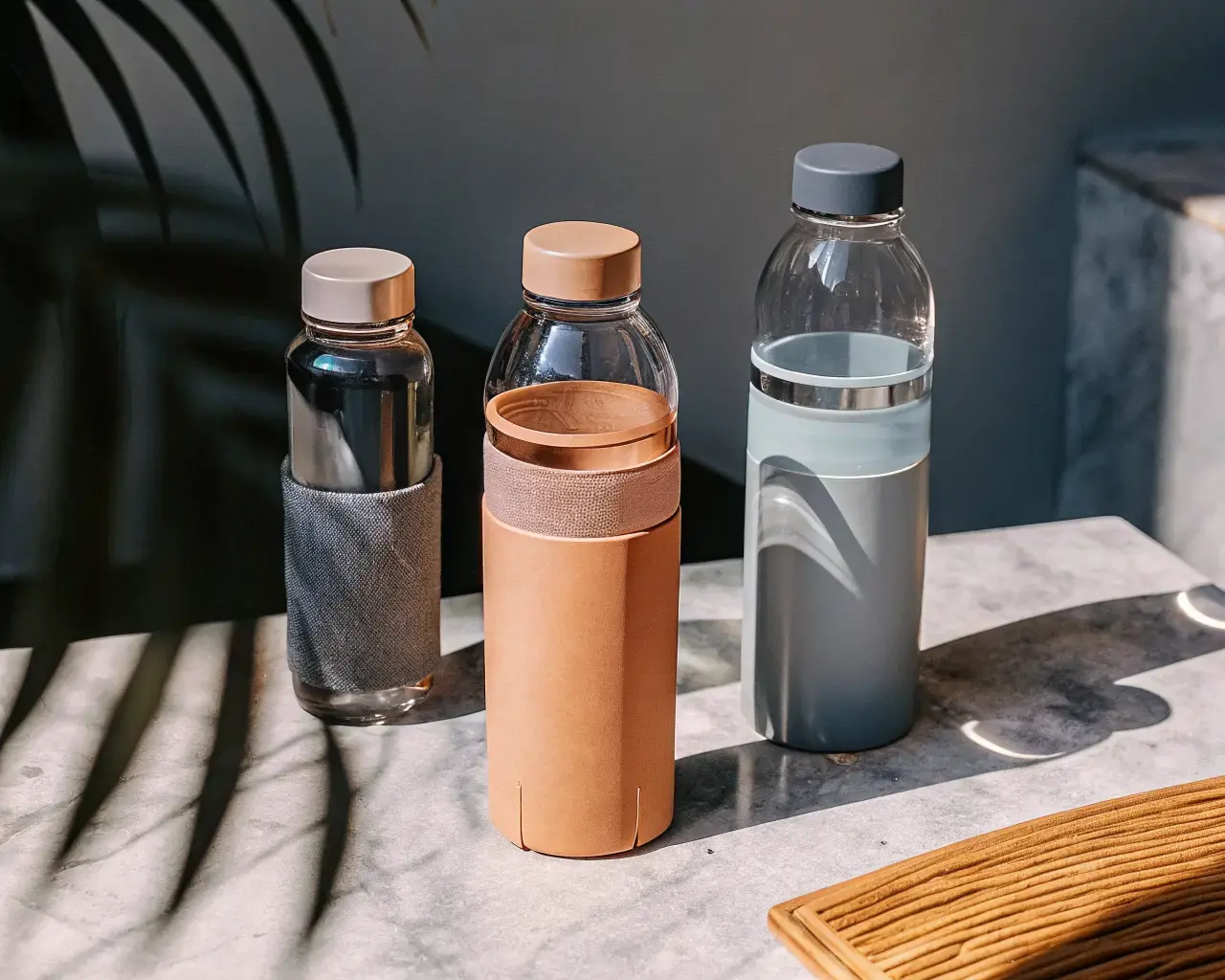
Plant-Based Water Bottles
PLA and PHA plant-based water bottles with co-branding and white-label options.
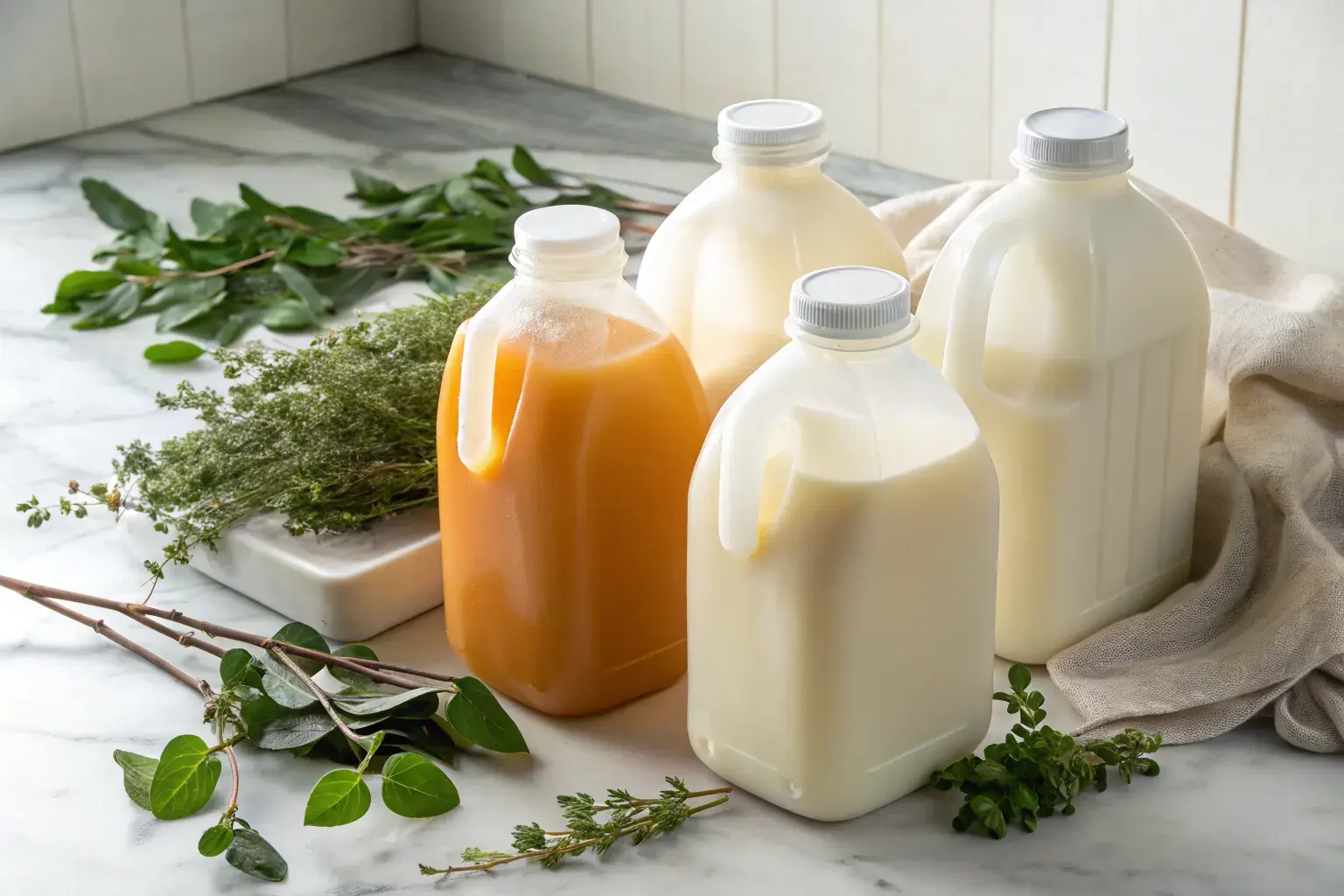
PHA Milk and Juice Jugs
PHA jugs designed as an alternative to HDPE dairy and juice jugs.
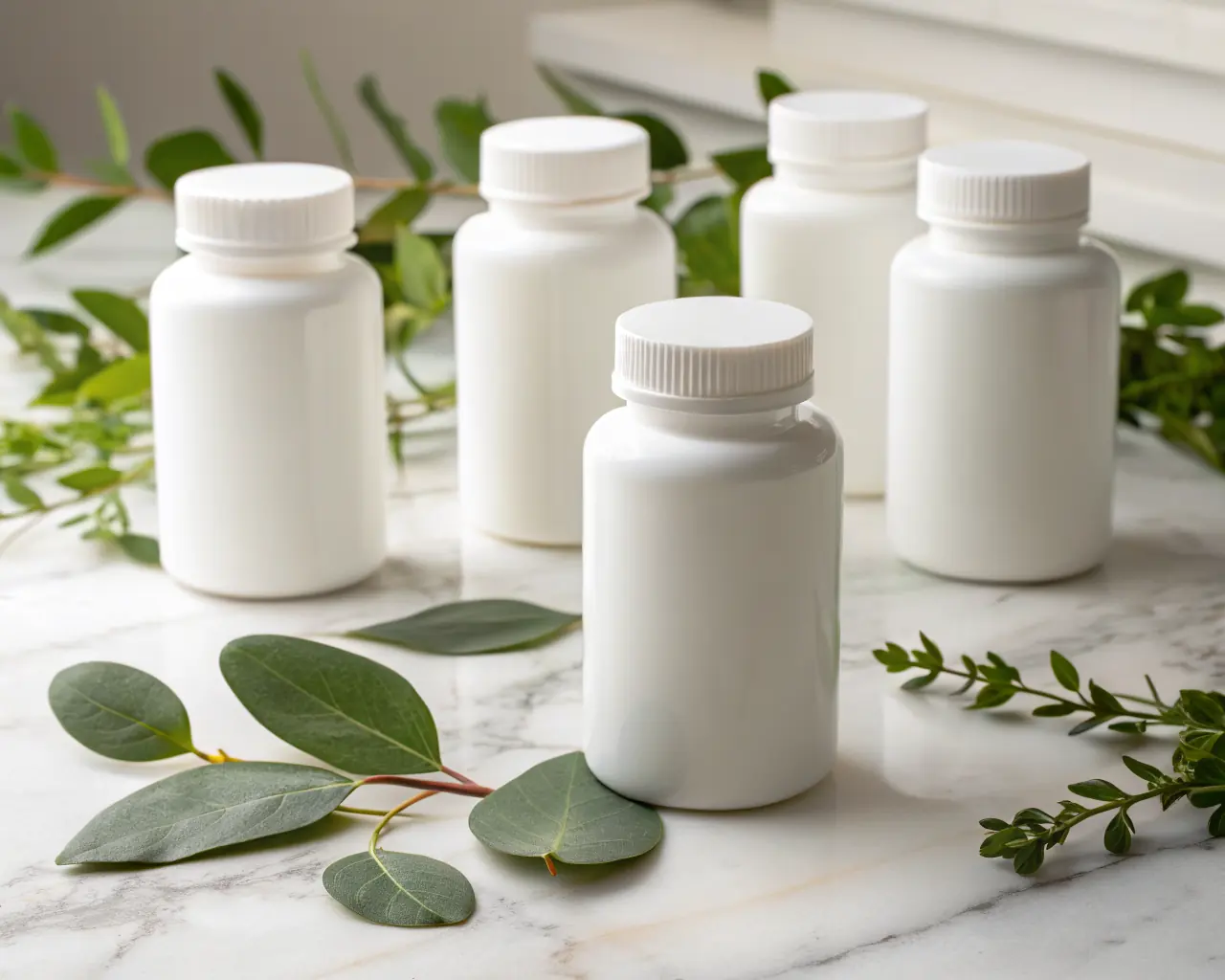
PHA Packer Bottles
150cc PHA packer bottles with a 38-400 neck for supplements.
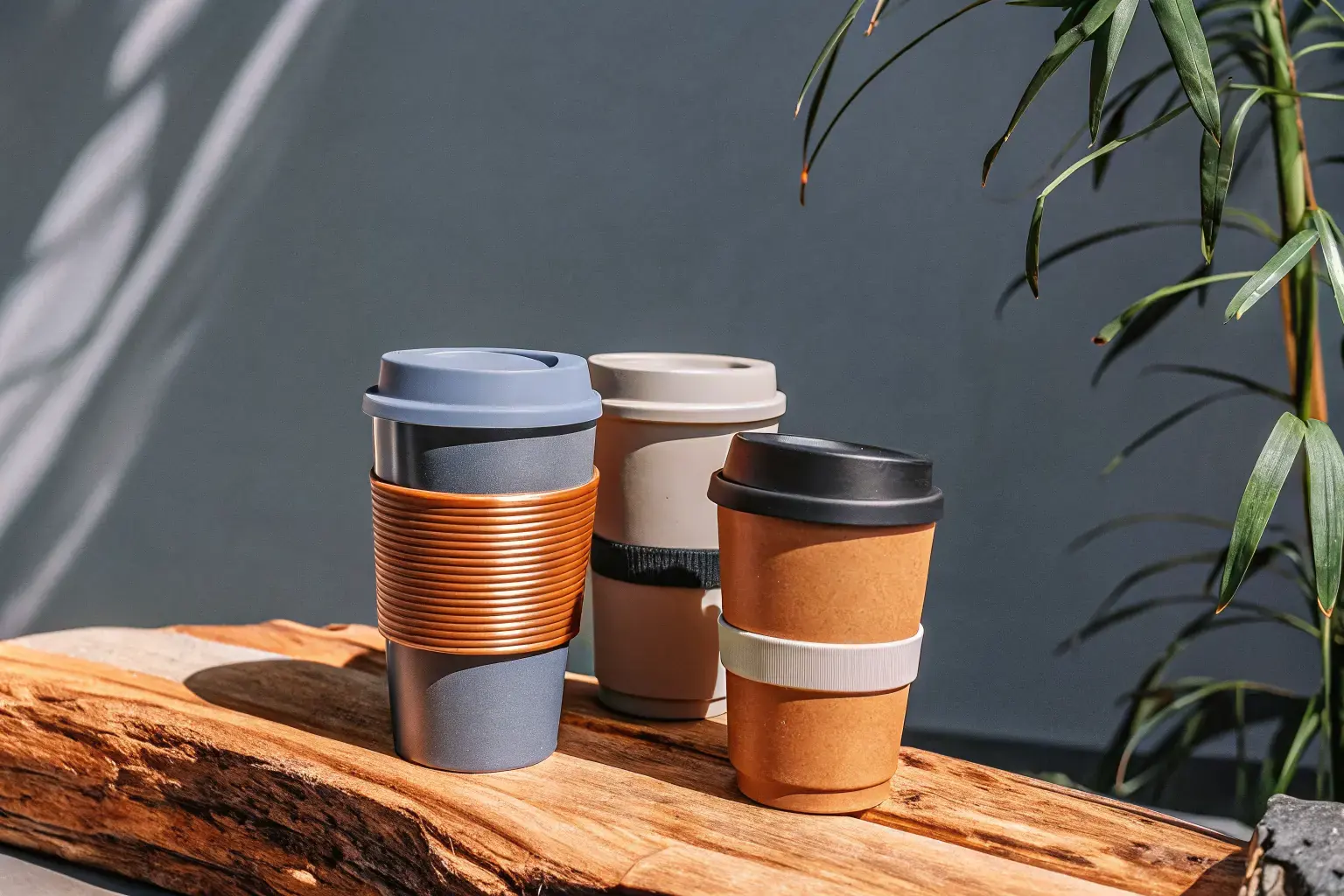
PHA Cups and Lids
PHA cups and lids for hot, cold, fountain and soup applications.
Read more: Compostable bottles: PLA, PHA and plastic compared | Choosing compostable packaging materials. Or browse the full product catalog.
Sugarcane-Based Bottles FAQ
What material are sugarcane bottles made from?
They are made from a bioplastic derived entirely from sugarcane, with no petroleum-based feedstock.
Is this product biodegradable or compostable?
The composition is described as fully compostable. Industrial composting is the material-level certification listed on our certifications page; confirm conditions for your exact bottle before making a compostability claim.
Is it home compostable?
Home compostability is not claimed for this product. Ask our team for documentation before making any home compost claim.
Can sugarcane bottles hold acidic juices and milk?
Yes. They are described as suitable for acidic juices, milk and other PET replacement uses. Request samples to test with your own product.
Can we put our logo on the bottle?
Yes. Co-branded and white-label customization are available. Contact us for lead times and minimum order quantities.
Can we request samples?
Yes. Use the Request Samples button and tell us the bottle size and use case you are evaluating.
How do we request wholesale pricing?
Use the Request Pricing button. Pricing depends on size, quantity and branding, so we quote each order individually.
What is the difference between sugarcane-derived material and PHA?
Sugarcane bottles are built from plant sugars converted into a bioplastic. PHA is produced by microorganisms that ferment plant oil such as canola. They carry different certifications, so each product needs its own certificate.
Are sugarcane bottles really petroleum-free?
The bottle material is derived entirely from sugarcane with no petroleum-based feedstock.
Can sugarcane bottles be used as biodegradable beverage packaging?
The composition is described as compostable and industrial composting is the listed certification. Marine and home biodegradation are not claimed for this product.
Which bottle sizes and caps are offered?
Sizes and closures are confirmed per program. Contact us with your fill volume and closure and we will confirm what can be supported.
Can we run a pilot before a full wholesale order?
Yes. Request samples, test them with your product and shipping conditions, then discuss volume pricing.
Request a Wholesale Quote for Sugarcane-Based Bottles
Tell us about your business and order. A packaging specialist will reply with pricing, documentation and next steps.
Need samples or custom packaging? Request product samples or discuss custom packaging. Prefer to browse first? View the full products catalog.