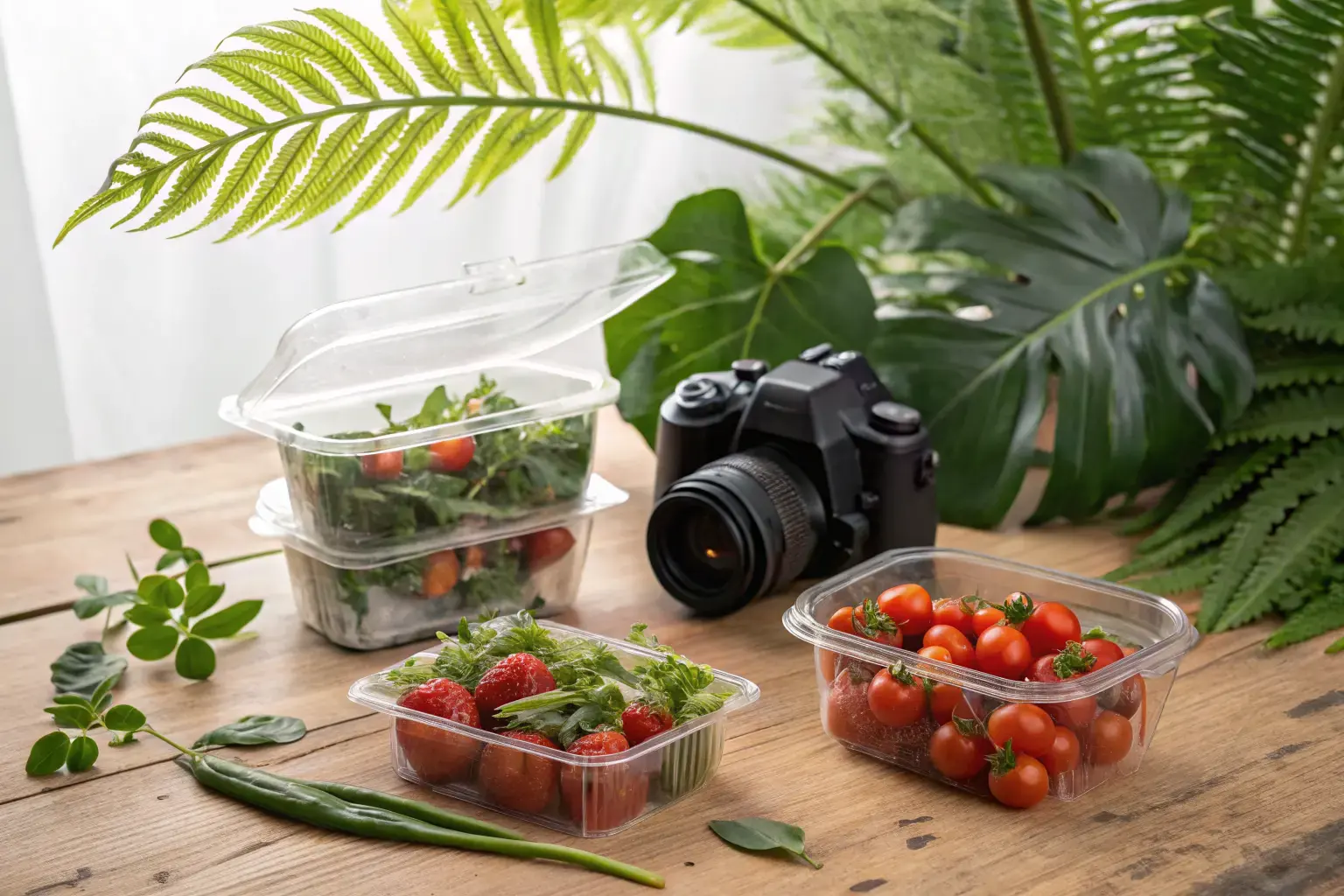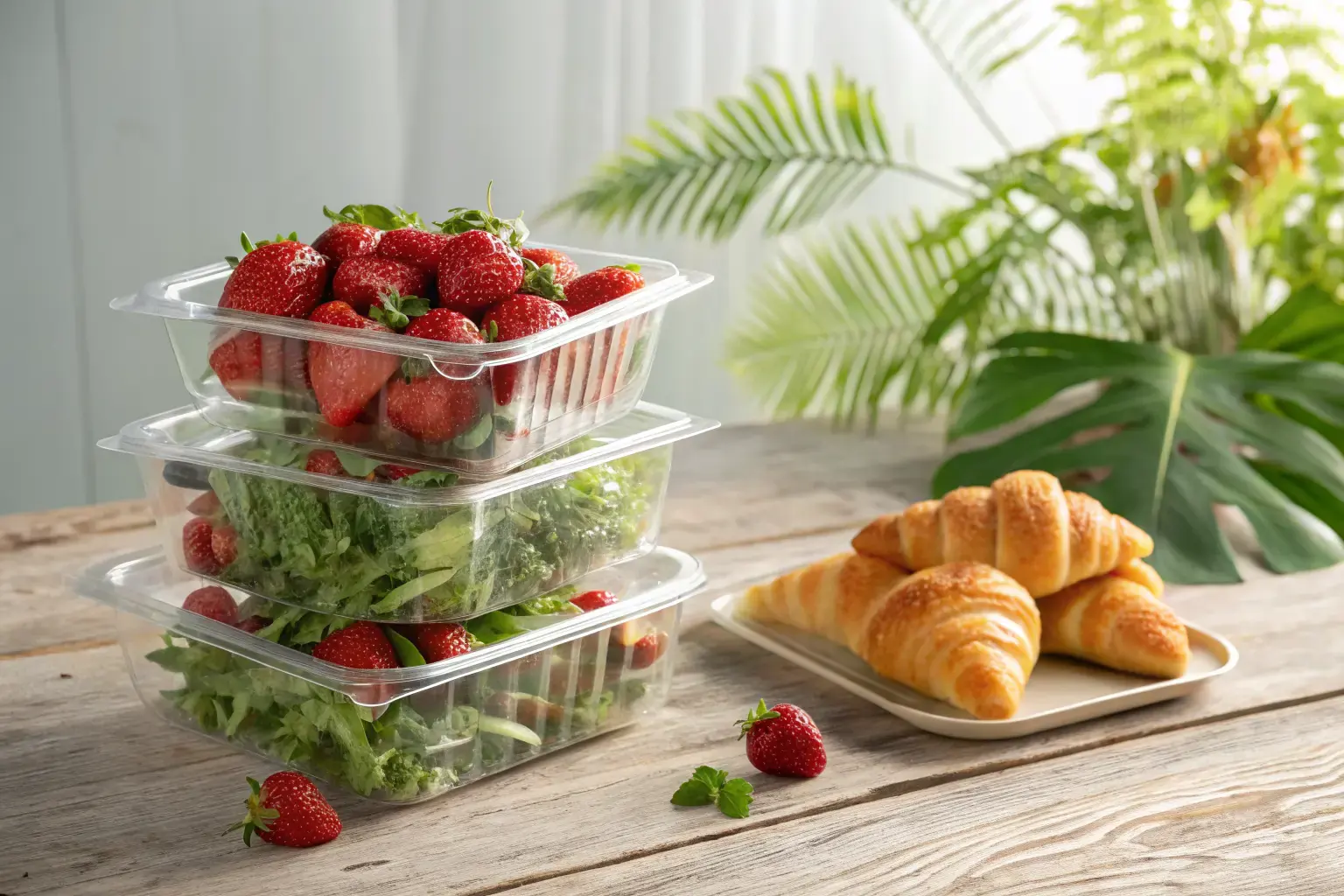
Walk through any grocery store, deli counter, or bakery case and you will see it everywhere: the hinged, transparent clamshell container. It holds your strawberries, your grab-and-go salad, your blueberry muffins. It is one of the most effective food packaging formats ever designed — lightweight, stackable, protective, and clear enough to sell the product inside without a label. And in almost every case, it is made from petroleum-derived PETE plastic that will outlast every living person on Earth.
PLA clamshell boxes change that equation completely. Made from plant sugars — the same renewable feedstocks that grow back every season — PLA delivers identical optical clarity, identical structural rigidity, and the same secure snap-latch closure, while carrying a fundamentally different end-of-life story: complete breakdown in an industrial composting facility within 90 to 180 days, leaving behind water, CO₂, and biomass. Not a single microplastic fragment.
What PLA Actually Is — And Where It Comes From
PLA stands for Polylactic Acid. It is a bioplastic resin produced through the fermentation and polymerization of plant-derived sugars — primarily from corn starch, sugarcane, or cassava root. The process begins with starch extraction, which is then broken down into simple sugars through enzymatic hydrolysis. Bacteria ferment those sugars into lactic acid, which is subsequently polymerized into PLA pellets — the same general physical form as conventional plastic resins, compatible with the same injection molding and thermoforming equipment.
This is a critical distinction from recycled or "green" plastics that still use petroleum as a feedstock. PLA starts life as a plant. The carbon locked inside it came from the atmosphere through photosynthesis — and when the container eventually breaks down in an industrial composting environment, that carbon returns to the cycle as CO₂, not as polymer particles that persist for centuries in soil and ocean sediments.
PLA is currently the most commercially mature bioplastic on the market, produced at scale by manufacturers like NatureWorks and Total Corbion. Its supply chain, processing characteristics, and certification pathways are well established — which is why PLA clamshell boxes are available today at competitive price points that make the transition from conventional plastic commercially viable for food businesses of all sizes.
100% plant-based feedstock
PLA is derived from corn starch, sugarcane, or cassava — renewable crops that regrow every season, with no petroleum input.
90–180 day breakdown
In a certified industrial composting facility, PLA clamshells fully biodegrade within 90 to 180 days — returning to water, CO₂, and organic biomass.
Zero microplastic residue
PLA does not fragment into persistent polymer particles when composted correctly. The material is consumed by microorganisms, leaving nothing behind.
The Clarity Advantage: Why PLA Looks Just Like Plastic
One of the persistent misconceptions about sustainable packaging is that it looks different — that bio-based containers have a matte, milky, or otherwise "eco" appearance that signals compromise to the consumer. PLA breaks this assumption entirely.
PLA clamshells achieve the same glass-like optical transparency as PETE (polyethylene terephthalate) — the conventional plastic used in the vast majority of produce and deli clamshell packaging. When you hold a PLA clamshell next to a PETE clamshell, the clarity is indistinguishable. This is not a cosmetic trick; it is a result of PLA's molecular structure, which allows light to pass through with minimal scattering.
For retail food businesses, this clarity is commercially essential. Consumers buy with their eyes. The visibility of fresh strawberries, the color of a grain bowl, the golden crust on a muffin — these are the visual cues that drive purchase decisions. PLA delivers all of them without compromise, which means switching from petroleum plastic to plant-based packaging requires zero adjustment to product presentation or merchandising strategy.
What PLA Clamshell Boxes Protect — And How
PLA's structural properties make it an effective protective medium across a wide range of food applications. The material has sufficient rigidity to resist crushing and deformation under stacking loads — the key mechanical requirement for any clamshell container in a retail or deli setting. The snap-latch closure that gives clamshells their name is fully achievable in PLA, maintaining the secure seal that keeps contents contained through transport and handling.
Fresh Produce & Berries
Strawberries, blueberries, raspberries, cherry tomatoes, and other delicate produce benefit from PLA's rigid shell, which prevents bruising and compression damage during transit and display. The clarity allows full product visibility from every angle, and the snap closure eliminates the need for stretch wrap or secondary packaging. PLA clamshells maintain their structural integrity throughout a standard refrigerated shelf life cycle without cracking or deforming.
Deli Items & Prepared Foods
Salads, grain bowls, deli proteins, cold pasta dishes, and prepared side items are among the highest-volume applications for clamshell packaging in food service. PLA handles refrigerated storage conditions reliably, maintaining clarity without fogging and structural integrity without softening. The material is food-contact safe — it does not leach BPA, phthalates, or other plasticizers into refrigerated or ambient-temperature foods.
Baked Goods & Confections
Muffins, cookies, croissants, pastries, and confections require packaging that protects against crushing while showcasing the product. PLA's combination of rigidity and clarity makes it ideal for bakery applications where visual presentation drives sales. The material performs reliably in ambient-temperature display cases and under standard bakery-counter conditions.
Grab-and-Go Takeout
Restaurants, food halls, and cafeterias using clamshells for takeout and grab-and-go meals are among the largest users of this packaging category. PLA clamshells serve these applications with the same performance as conventional plastic — secure closure, stackable form factor, and the clear visibility that makes grab-and-go merchandising work. For takeout operations seeking to align their packaging with sustainability commitments, PLA is a direct, no-change-required substitution.
Industrial Composting: How PLA Actually Breaks Down
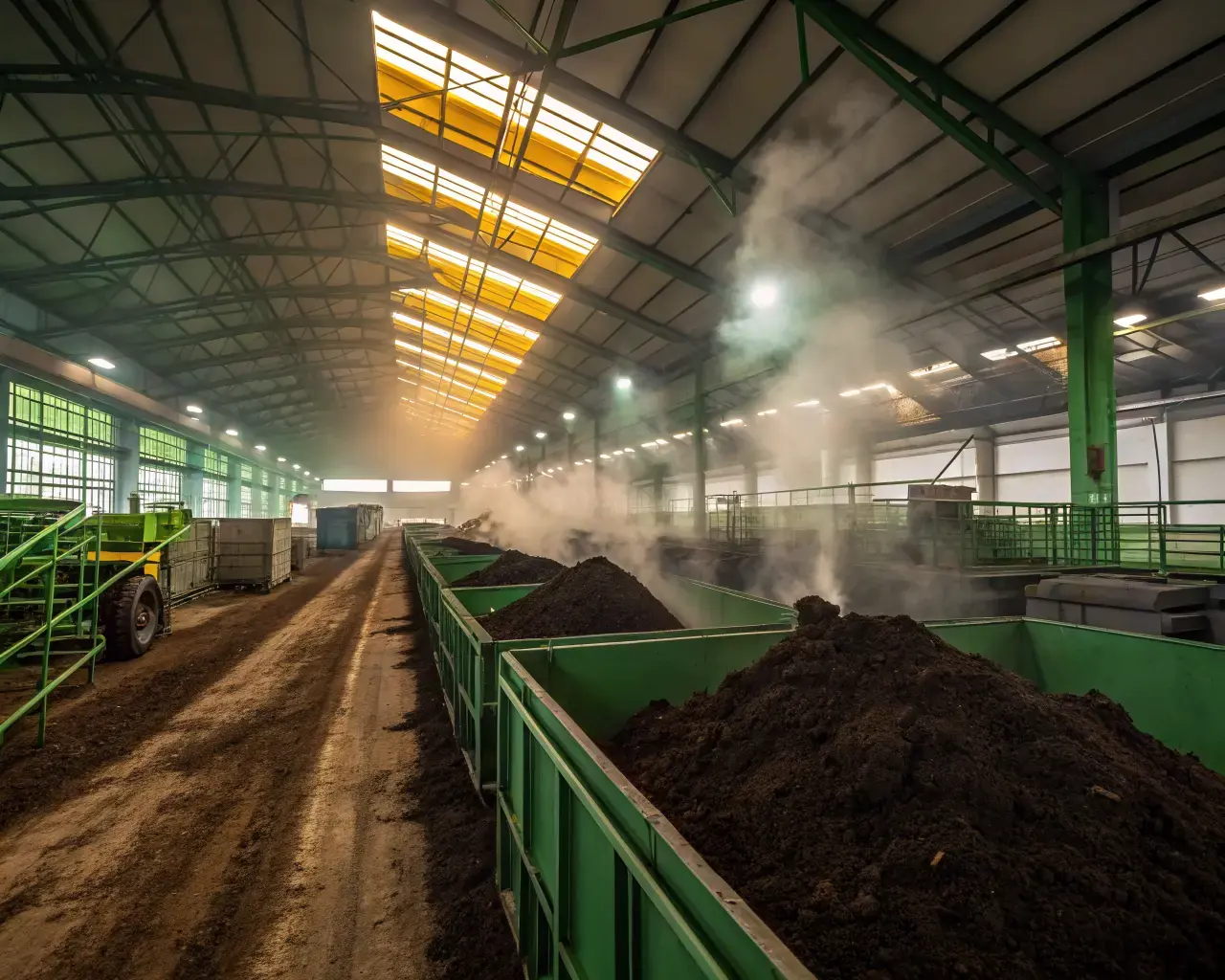
PLA biodegradation requires conditions that go beyond what most people think of as composting. It is not a process that happens in your kitchen bin or backyard pile. Industrial composting — also called in-vessel or windrow composting — operates at sustained temperatures between 140°F and 160°F (60°C–71°C), with carefully managed moisture levels and continuous microbial activity. These conditions are far more aggressive than ambient or home composting environments, and they are precisely what PLA needs to break down within its certified timeframe.
The breakdown process begins with hydrolysis: at elevated temperatures, water molecules attack PLA polymer chains and sever the ester bonds linking monomer units together. This reduces the PLA from a high-molecular-weight polymer into shorter and shorter chain fragments — lactic acid oligomers and monomers. These smaller molecules are then available to soil bacteria and other microorganisms as a carbon energy source, which they metabolize into CO₂, water, and biomass. The entire process, from clamshell to compost, takes 90 to 180 days under certified industrial composting conditions.
At no point in this process are persistent microplastic particles produced. The hydrolysis and biological digestion pathways consume the PLA polymer completely — there is no intermediate fragmentation stage where particles less than 5mm are released into the environment. This is the core environmental distinction between PLA and conventional plastic: when PLA degrades under the right conditions, it disappears. When PETE degrades, it fragments.
This makes PLA packaging most impactful in closed-loop food service systems — supermarkets, institutional cafeterias, stadium concessions, and corporate campuses where organic waste streams are collected and directed to industrial composting facilities. In these environments, every PLA clamshell that enters the organic waste stream is a container that definitively exits the plastic pollution cycle.
Microplastics and the Case Against Conventional Clamshells
Conventional PETE clamshell packaging is among the most prolific contributors to microplastic pollution in the food system — not only because of improper disposal, but because of the inherent fragmentation behavior of petroleum-derived polymers.
PETE begins photodegrading the moment it is exposed to UV radiation. Surface abrasion from handling, stacking, and transport generates micro-scale particles continuously throughout the product lifecycle. Clamshells sent to landfills continue to fragment for decades, with microplastics migrating through landfill leachate into groundwater. Those that enter municipal waste streams may be recycled — but the recycling rate for PETE clamshells is far lower than for bottles, and much of what is collected is actually downcycled or rejected at sorting facilities.
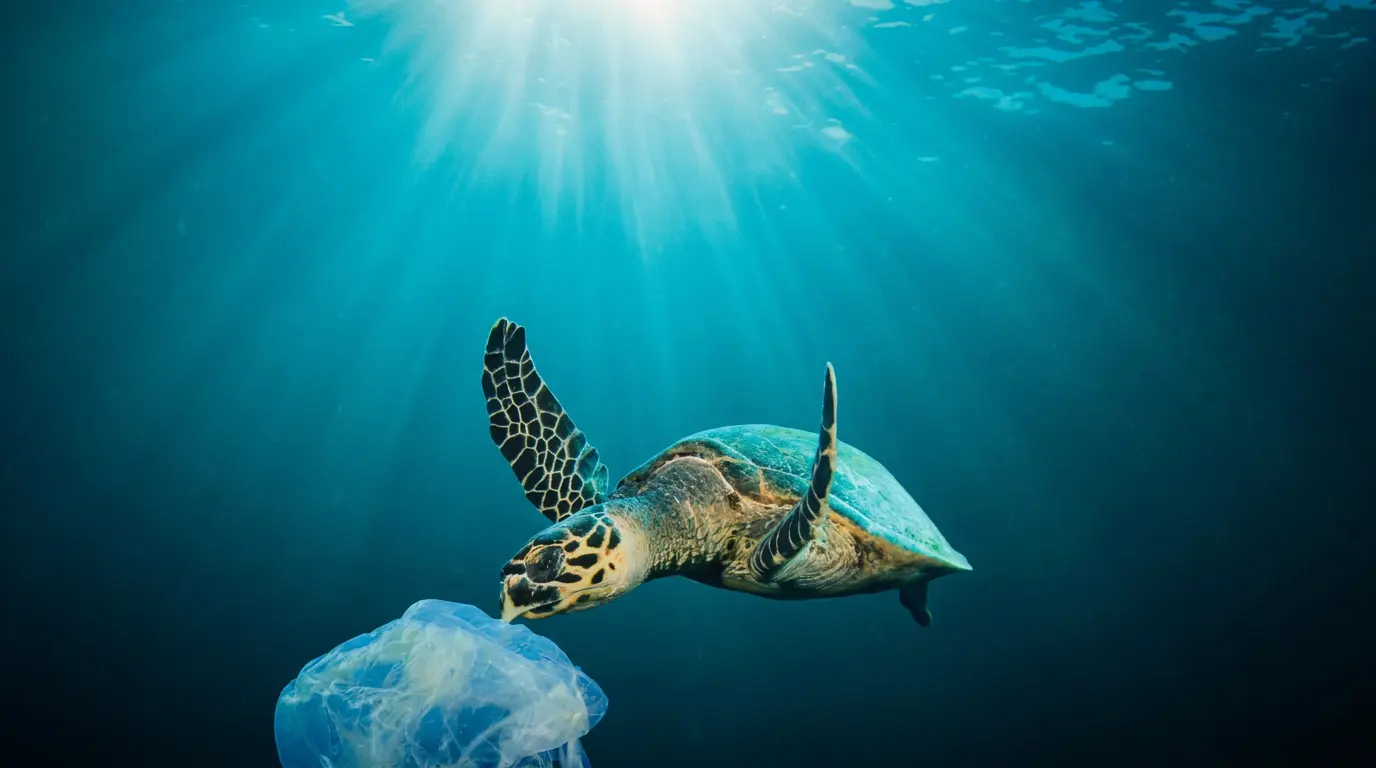
The resulting microplastic particles — fragments under 5mm — are now distributed across every ecosystem on Earth. They have been detected in ocean surface water, deep sea sediment, Arctic ice, freshwater rivers, agricultural soil, and the bodies of marine organisms at every trophic level. More recently, they have been found in human blood, lung tissue, breast milk, and placentas. The research linking microplastic exposure to inflammation, endocrine disruption, and cardiovascular risk is still developing, but the trend is unambiguous.
PLA clamshells do not contribute to this problem when composted correctly. They are not a perfect solution to all plastic pollution — their composting infrastructure requirement is a genuine limitation — but within the contexts where industrial composting is available, they represent a genuine, verifiable exit from the microplastic pollution cycle.
Certifications That Back the Claims
The term "biodegradable" has been badly diluted by overuse and greenwashing. Many conventional plastic products are marketed with additive-based degradation claims that, under scrutiny, produce smaller plastic fragments rather than true biodegradation. Third-party certification is the only reliable way to distinguish genuine compostable packaging from marketing.
Pure Form Solution's PLA clamshell products are certified by TÜV Austria — the leading international bioplastics certification body. TÜV Austria's OK Compost Industrial certification requires laboratory verification that the material reaches greater than 90% biodegradation within 180 days under EN 13432 industrial composting conditions. This is a pass/fail test based on actual measured breakdown, not material composition claims.
OK Compost Industrial (TÜV Austria)
Verified breakdown to greater than 90% biodegradation within 180 days under EN 13432 certified industrial composting conditions. The gold standard for food service compostable packaging.
EN 13432 European Standard
The European norm for packaging recoverable through composting and biodegradation. Requires disintegration within 12 weeks and biodegradation within 6 months under controlled industrial conditions.
Making the Switch: Operationally Simpler Than You Expect
The operational transition from conventional PETE clamshells to PLA is more straightforward than most packaging changes. Because PLA can be thermoformed to identical dimensional specifications as PETE, the switch requires no changes to filling equipment, labeling systems, or display infrastructure. The snap-latch closure mechanics are preserved. Stacking behavior is preserved. Refrigerated display performance is preserved.
There are two practical storage considerations worth noting. PLA clamshells should be stored away from direct moisture and temperatures above 140°F (60°C) — neither of which applies in a normal climate-controlled storage environment. PLA is also not suitable for hot food applications, as sustained temperatures above 140°F will cause the material to distort. For cold-chain and ambient applications — which represent the vast majority of clamshell use cases — PLA performs identically to PETE.
For food businesses communicating sustainability commitments to customers, the transition also creates a visible signal. The TÜV Austria OK Compost certification mark on a clamshell tells a consumer immediately that the business has made a deliberate, verified choice about its packaging — not a vague claim, but a certified standard. In an environment where consumers are increasingly skeptical of sustainability language, a certification mark carries real credibility.
Who PLA Clamshells Are Right For
PLA clamshell packaging delivers the greatest environmental benefit in operations that have — or can establish — access to industrial composting infrastructure. This includes:
Grocery & Supermarket Produce
High-volume users of produce clamshells with organic waste programs or retail composting partnerships.
Deli & Prepared Foods
In-store delis, food halls, and grocery prepared food departments where organic waste is collected centrally.
Bakery & Café
Coffee shops, bakeries, and patisseries using clamshells for pastries and baked goods in areas with composting infrastructure.
Institutional Food Service
Corporate cafeterias, university dining, hospital food service, and stadium concessions with managed organic waste streams.
Catering & Event Service
Event caterers and food service operators who collect and direct packaging waste to composting partners after each event.
Specialty & Natural Retail
Health-focused and natural grocery retailers for whom sustainable packaging alignment with brand values drives supplier selection.
The Simplest Upgrade in Food Packaging
The clamshell box is not a packaging problem. It is one of the most effective food packaging formats ever developed — and switching the material it is made from is one of the most impactful, operationally simple changes a food business can make.
PLA clamshells match conventional plastic in every performance dimension that matters for food service and retail: clarity, rigidity, snap-closure, stackability, and food-contact safety. The only thing that changes is what happens at end of life — and the difference there could not be more significant. A PETE clamshell persists in the environment for centuries, fragmenting into microplastic particles that enter soil, water, and living organisms. A PLA clamshell, composted correctly, disappears entirely within 180 days.
That is not a marginal improvement. It is a complete change in the environmental trajectory of every container you use. For any food operation with access to industrial composting — or the intention to establish it — PLA clamshell boxes are the most straightforward sustainability upgrade available today.
Ready to Switch?
Explore Pure Form Solution's PLA Clamshell Boxes
TÜV Austria certified. 100% plant-based. Crystal-clear. Secure snap closure. The drop-in replacement for conventional plastic — with zero microplastic legacy.