
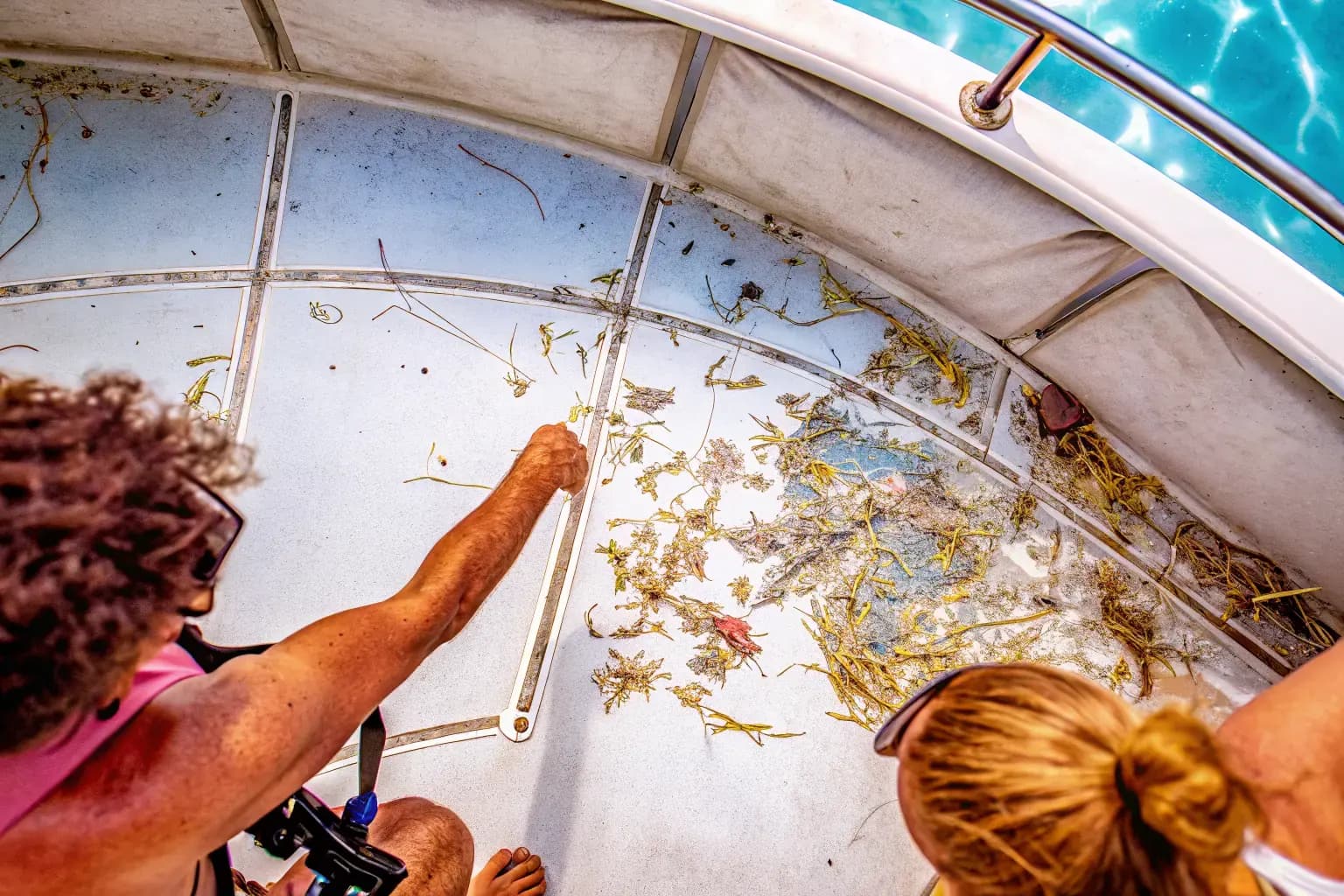
Dangers of Microplastics
They are in our oceans, our soil, our food, our water — and now our blood. Microplastics are one of the most pervasive and under-reported threats to life on Earth.
What Are Microplastics?
Microplastics are plastic fragments smaller than 5 millimeters — and often invisible to the naked eye. They originate from two sources: primary microplastics, manufactured at tiny sizes (like microbeads in cosmetics and nurdles used in plastic production), and secondary microplastics, which form when larger plastic items break down under UV radiation, heat, and physical stress over time.
Nanoplastics — even smaller particles under 1 micrometer — are of particular concern because their microscopic size allows them to penetrate biological membranes that would stop larger particles, crossing into cells, organs, and the bloodstream.
Unlike organic pollutants, plastics do not biodegrade. They simply fragment into smaller and smaller pieces while retaining their chemical makeup and the toxins they absorb — accumulating in ecosystems and living organisms for centuries.
The Scale of the Crisis
Data from scientific research and environmental monitoring organizations reveals the staggering reach of microplastic contamination.
Enter Oceans Annually
Every year, an estimated 14 billion pounds of plastic waste flows into our oceans — breaking down into microplastics that persist for centuries.
Ocean Surface Polluted
Studies estimate that 88% of the ocean's surface is now contaminated with plastic particles, disrupting marine food webs from plankton to apex predators.
Marine Species Affected
Over 700 marine species have been documented ingesting or becoming entangled in plastic. Microplastics block digestion and accumulate toxins up the food chain.
Years to Degrade
Most conventional plastics take over 1,000 years to fully break down — spending centuries fragmenting into ever-smaller particles that contaminate soil and water.
Microplastics & Human Health
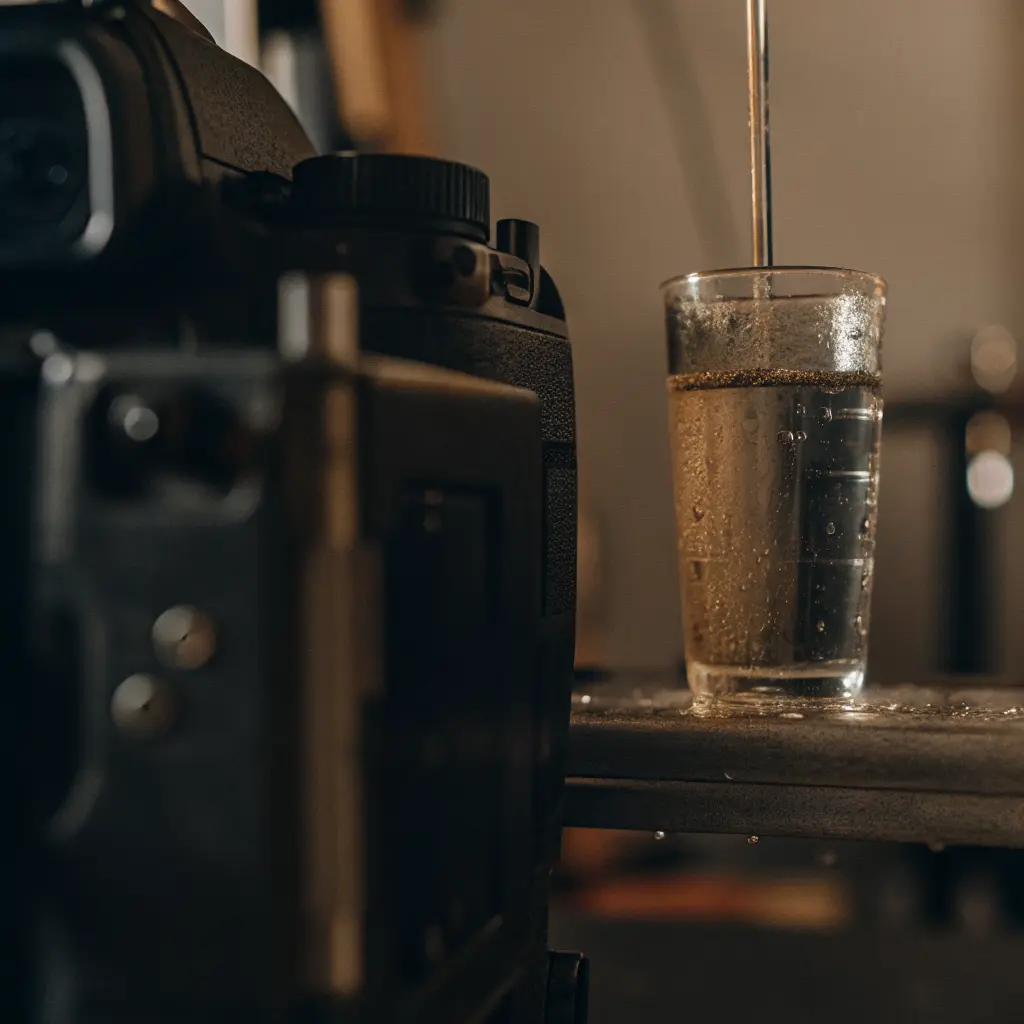
Humans ingest an estimated 5 grams of microplastic every week — the equivalent of a credit card — through contaminated food, water, and air. Microplastics have been detected in tap water, bottled water, sea salt, beer, honey, vegetables, and seafood.
Beyond the particles themselves, plastics carry a chemical payload: BPA, phthalates, heavy metals, and persistent organic pollutants adsorbed from the environment. These compounds are released inside the body, where they can disrupt endocrine systems, damage DNA, and trigger inflammatory responses.
PET plastic bottles — the most widely used beverage container in the world — can leach chemicals into drinks when exposed to heat, making the transition to compostable, plant-based packaging a direct public health intervention.
Documented Health Risks
Cardiovascular Disease
A 2024 study published in the New England Journal of Medicine found microplastics inside arterial plaque. People with microplastics in their arteries had a 4.5× higher risk of heart attack, stroke, or death.
Hormonal Disruption
Plastic additives like BPA and phthalates act as endocrine disruptors, interfering with hormone production, fertility, fetal development, and thyroid function even at trace concentrations.
Respiratory Damage
Airborne microplastic fibers — shed by synthetic clothing and packaging — are inhaled daily. Research links chronic plastic fiber inhalation to lung inflammation and reduced respiratory capacity.
Neurological Concerns
Nanoplastics (particles under 1µm) can cross the blood-brain barrier. Emerging research has detected plastic particles in human brain tissue, raising serious concerns about neurological health.
Found in Human Blood
A landmark 2022 study by Vrije Universiteit Amsterdam found microplastics in 77% of human blood samples tested. Once inside the bloodstream, particles can travel to any organ.
Harm to Unborn Children
Microplastics have been detected in human placentas. The chemicals they carry — including heavy metals and persistent organic pollutants — may disrupt fetal development and long-term health.
Marine Life Under Threat
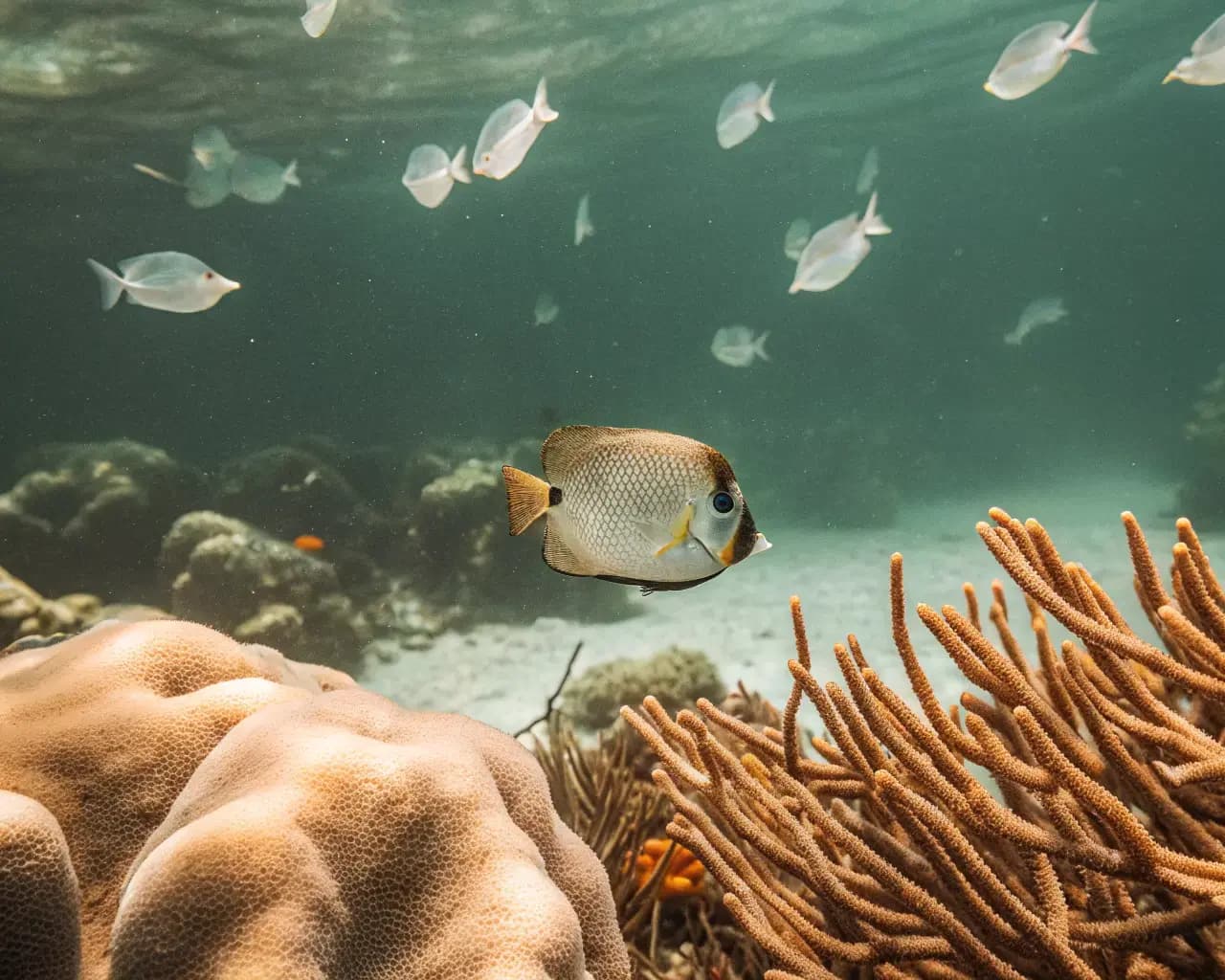
Microplastics now permeate every ocean on Earth — from surface waters to deep-sea sediments and Arctic ice. Marine organisms at every level of the food chain ingest plastic particles, mistaking them for food or consuming them passively while filter feeding.
Fish, seabirds, sea turtles, whales, and invertebrates all show evidence of plastic ingestion. In fish, plastic particles accumulate in digestive systems, causing reduced feeding, hormonal changes, and reproductive failure. These animals then enter the human food chain, completing a toxic cycle.
Coral reefs face a double threat: microplastics smother reef surfaces, reducing light penetration and oxygen, while the chemicals they carry accelerate coral bleaching and disease. Without urgent action, the consequences for ocean biodiversity will be irreversible.
The food chain connection: Plankton consume nanoplastics → small fish eat the plankton → larger fish eat the small fish → humans eat the fish. Toxins bioaccumulate at each level, meaning top predators — including people — receive the highest concentrations.
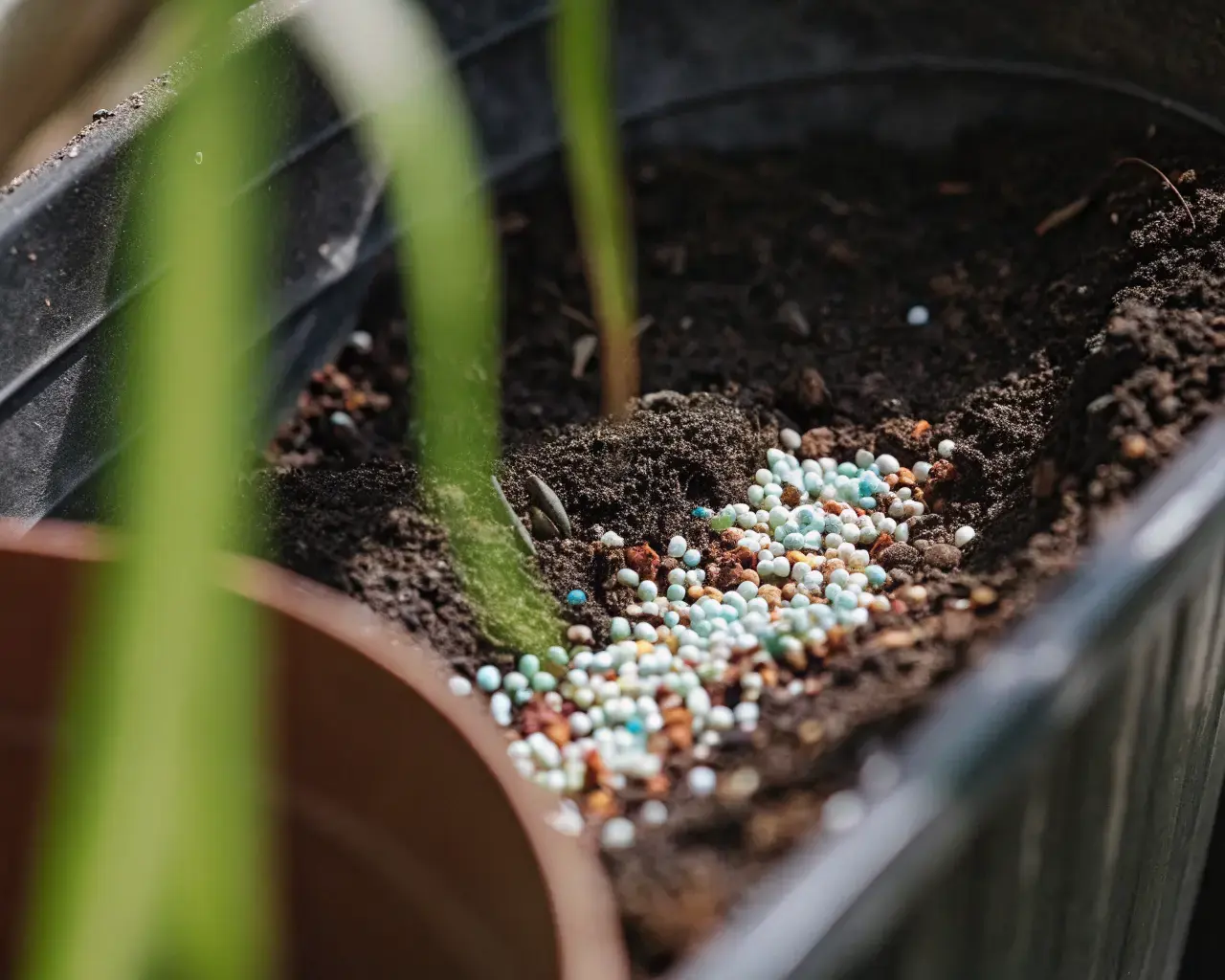
Microplastics in Our Soil & Food Supply
The plastic crisis is not limited to oceans. Terrestrial ecosystems and global agriculture are equally compromised.
Agricultural soil contains up to 4× more microplastics than ocean water by concentration.
Plastic mulch films and sewage sludge used as fertilizer are primary sources of farmland microplastic contamination.
Microplastics reduce earthworm health and soil structure, undermining long-term agricultural productivity.
Crop plants actively absorb nanoplastics through root systems, transferring them into the food we eat.
Microplastics in Air — The Invisible Exposure
Beyond water and food, airborne microplastic fibers are an emerging exposure pathway. Synthetic textiles release millions of microfibers per wash cycle; many escape wastewater filtration and end up in the atmosphere. Research conducted in the French Pyrenees found microplastic particles depositing from the air even in remote mountain ranges with no local plastic sources.
Indoor air concentrations of microplastics are often higher than outdoors, driven by the slow degradation of synthetic carpets, furniture, and packaging materials. There is now no environment on Earth — no air, water, or soil — that is free from microplastic contamination.
What Can We Do?
Ending microplastic pollution requires systemic change — starting at the source. Transitioning away from single-use petroleum-based plastic is the most direct intervention available.
Switch to Compostable Packaging
Compostable and biodegradable packaging made from plant-based materials returns to the earth without fragmenting into microplastics. It is the most direct replacement for conventional single-use plastic.
Support Circular Systems
Closed-loop packaging programs, composting infrastructure, and extended producer responsibility policies reduce the volume of plastic entering the environment at every stage.
Demand Transparency
Consumers and businesses can push for plastic-free supply chains, support legislation restricting single-use plastics, and choose brands committed to measurable sustainability outcomes.

Be Part of the Solution
Pure Form Solution offers 100% compostable, petroleum-free alternatives to single-use plastic — so your business can stop contributing to the microplastic crisis starting today.