
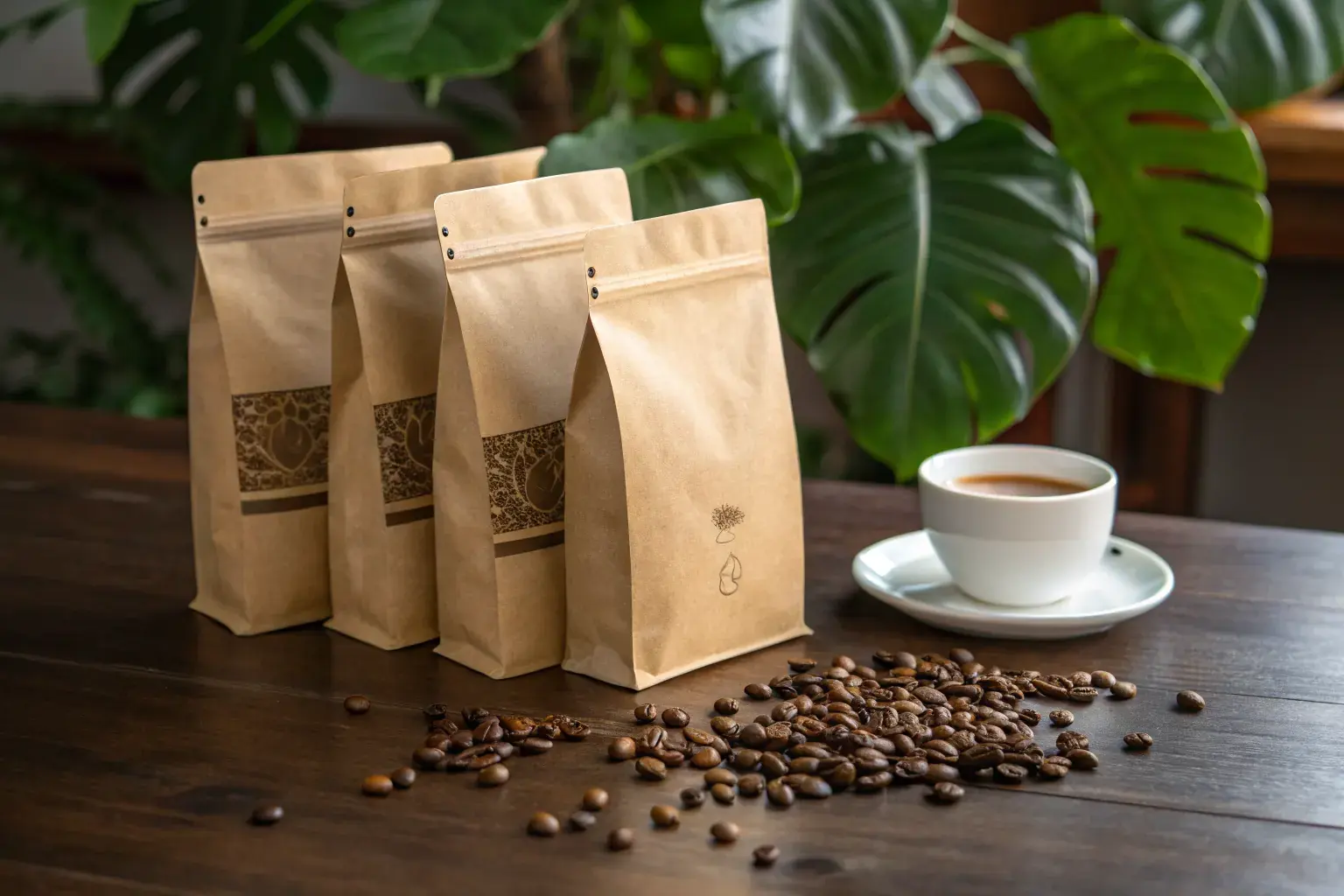
Over 300 billion coffee bags are produced globally every year. Nearly every one ends up in a landfill — not because consumers don't try to recycle them, but because the multi-layer laminate construction that makes them so effective at keeping coffee fresh makes them impossible to recycle in any standard program. PHA coffee bags are the first packaging solution that delivers both.
Polyhydroxyalkanoates — PHA — are biopolymers produced by bacteria fermenting plant-based oils. Applied to coffee packaging, the result is a bag that matches conventional multi-layer plastic on every performance metric that matters: oxygen barrier, moisture resistance, CO₂ degassing compatibility, and resealable closure function. At end of life, it biodegrades completely in marine, soil, home, and industrial composting environments. No microplastics. No laminate waste. No 500-year landfill tenure.
The Hidden Environmental Cost of Your Morning Coffee Bag
Coffee packaging sits at the intersection of two packaging challenges that rarely appear together: the need for exceptional barrier performance and the near-total absence of end-of-life infrastructure. Conventional coffee bags are engineered to protect roasted coffee from three enemies — oxygen, moisture, and CO₂ off-gassing — using multi-layer laminates that typically combine polyethylene terephthalate (PET), aluminum foil, and polyethylene (PE) fused together at the molecular level.
This laminate is exactly what makes the bags work — and exactly what makes them impossible to recycle. The layers cannot be separated by any consumer or commercial recycling system. Even programs that accept flexible film packaging specifically exclude multi-layer laminates. The bags are unambiguously destined for landfill from the moment they are manufactured.
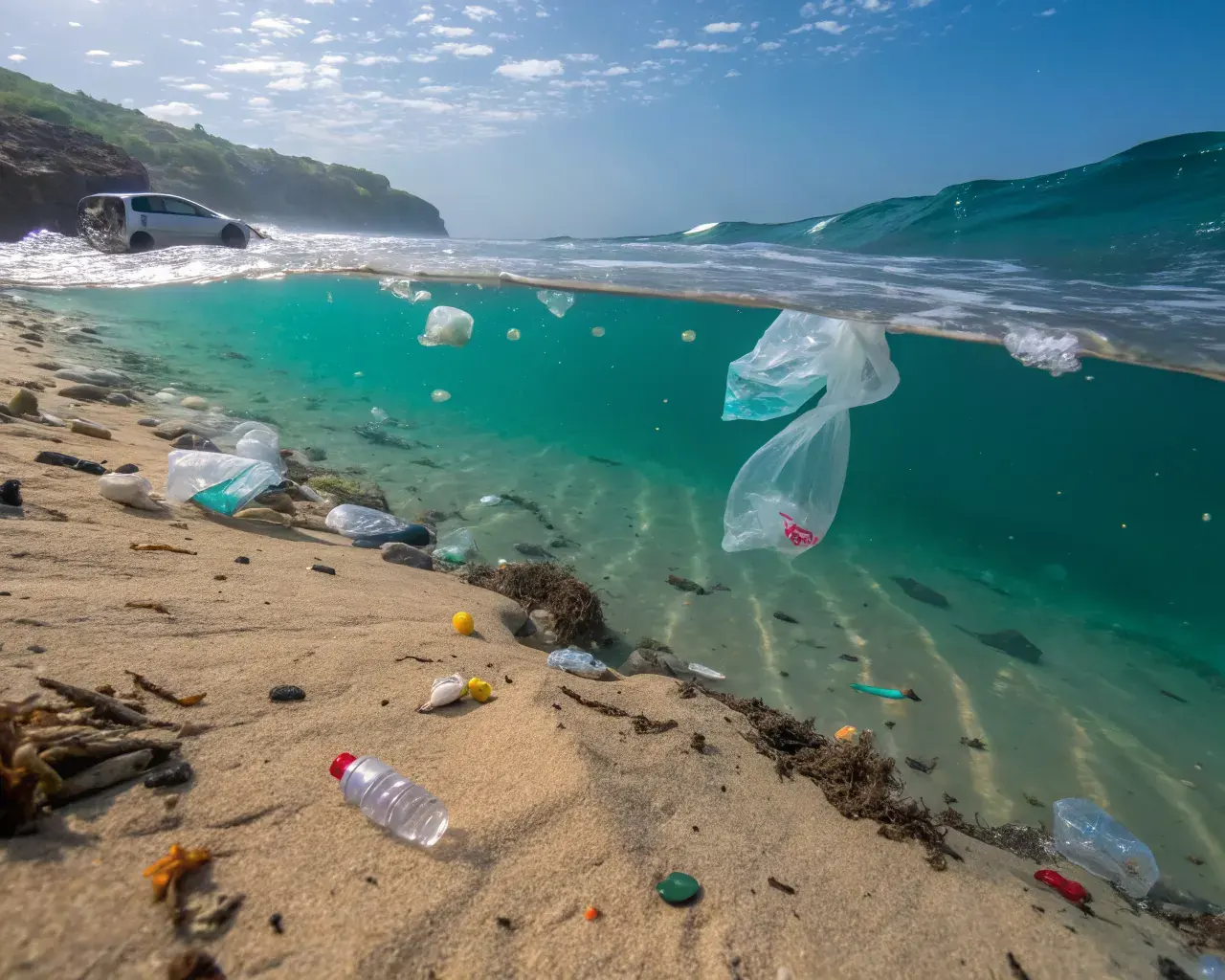
Once in a landfill, the laminate layers fragment over 450–500 years, releasing microplastic particles that migrate into groundwater, enter soil ecosystems, and accumulate in food chains. For a product category associated with craft, care, and quality — specialty coffee — the packaging waste profile is a jarring contradiction. PHA bioplastic now resolves that contradiction.
300 Billion bags per year
Over 300 billion coffee bags are produced globally each year — nearly all ending up in landfills due to their unrecyclable multi-layer construction.
500 years to fragment
Multi-layer laminated coffee bags take 450–500 years to fragment in landfill conditions — never fully biodegrading, only breaking into microplastics.
Zero recycling programs
No standard consumer or commercial recycling system accepts multi-layer laminate coffee bags — they are categorically excluded from flexible film programs.
What Makes PHA Coffee Bags Different
PHA is not a bio-coated paper bag or a "compostable" pouch that only works in industrial facilities. It is a fully biologically produced bioplastic — synthesized by bacteria consuming plant oils and organic carbon sources — that delivers genuine mechanical and barrier properties comparable to conventional packaging films. The material is biodegradable at the polymer level, not just at the surface coating level, which is why it performs in real-world environments rather than only under controlled laboratory conditions.
For coffee packaging specifically, this means a PHA bag can be engineered to the same oxygen transmission rate (OTR) and water vapor transmission rate (WVTR) specs that conventional multi-layer laminates achieve — protecting the volatile aromatic compounds in freshly roasted coffee through the full retail shelf life without the need for synthetic barrier layers. The one-way degassing valve critical for freshly roasted specialty coffee remains fully compatible. Resealable zipper closures function identically to conventional formats.
What changes is everything that happens after the bag is empty. Instead of 500 years of laminate fragmentation, a PHA coffee bag placed in home compost will biodegrade completely within months. In marine or soil environments — where improperly disposed packaging ends up — PHA-degrading bacteria are naturally present and will metabolize it completely, producing water and CO₂ rather than microplastic particles.
Six Advantages of PHA Coffee Bags for Boutique Roasters
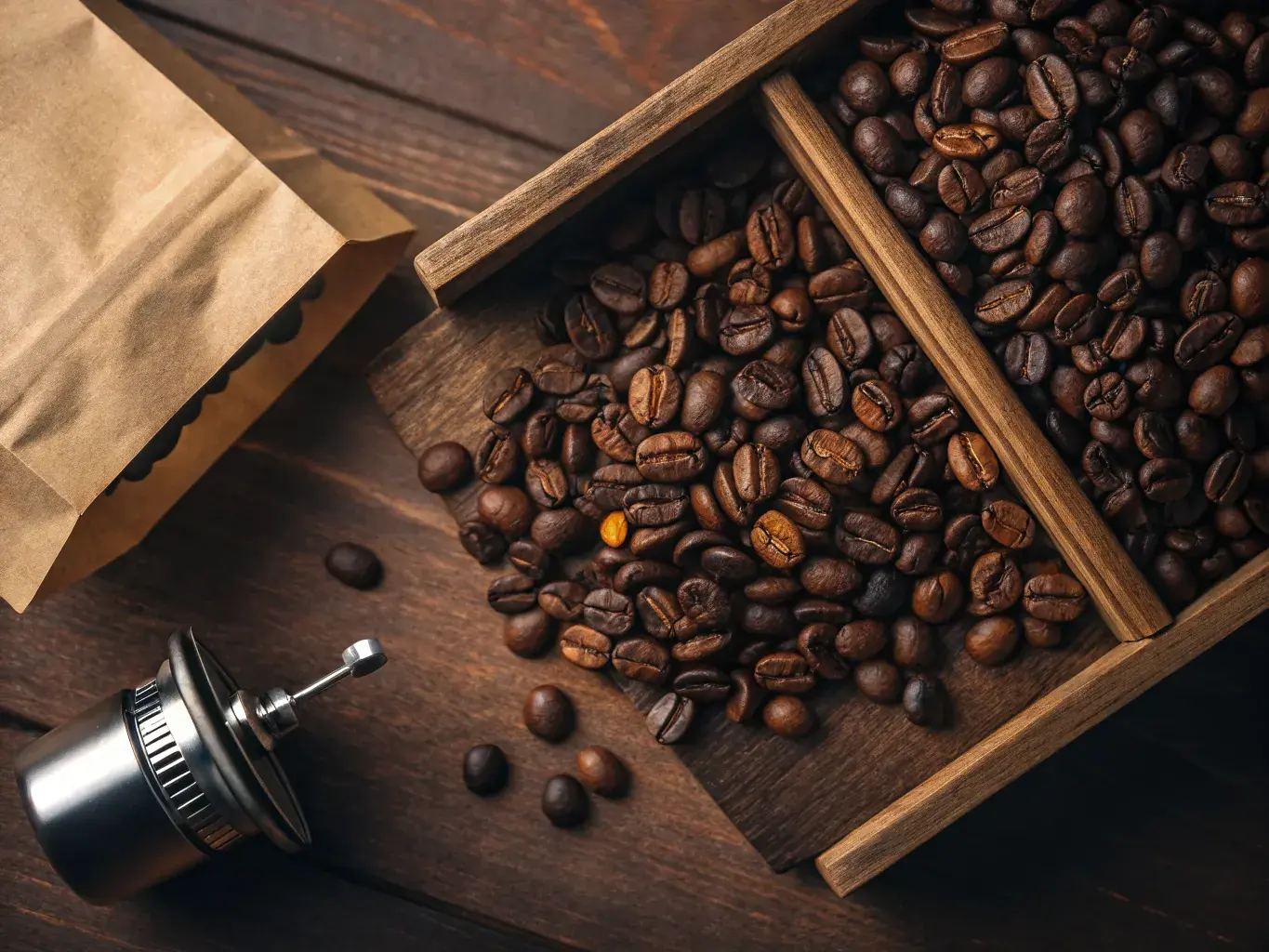
For boutique roasters, the decision to switch packaging is never purely environmental — it has to work for your coffee, your brand, and your operations. PHA coffee bags are engineered to meet that bar on every dimension.
- 01
Full Barrier Performance — Same as Conventional Packaging
PHA coffee bags achieve the oxygen and moisture barrier ratings that specialty coffee requires — protecting aroma integrity, preventing oxidation, and maintaining freshness through your retail shelf life. One-way CO₂ degassing valves are fully compatible. You do not have to choose between freshness and sustainability.
- 02
True Biodegradability in Multiple Real-World Environments
Unlike bioplastics that require industrial composting infrastructure to break down, PHA biodegrades in marine, soil, home, and industrial composting environments. PHA-degrading bacteria are naturally present wherever organic matter decomposes. A PHA coffee bag improperly disposed of in any of those environments will not persist for centuries — it will biodegrade completely, leaving no microplastic residue.
- 03
Custom Print-Ready for Boutique Branding
PHA coffee bags are available with custom print-ready surfaces in a range of formats — 8 oz, 12 oz, 1 lb, and 5 lb — with flat-bottom or stand-up pouch configurations. Your label artwork, brand colors, and origin information print cleanly on PHA film, giving you the premium shelf presence your roastery demands without compromise.
- 04
Zero Microplastics Throughout the Entire Lifecycle
Conventional coffee bag laminates shed microplastic particles from the moment of manufacture through landfill fragmentation over centuries. PHA generates zero microplastic at any lifecycle stage. When bacteria metabolize PHA, the output is water and CO₂ — not progressively smaller polymer particles. For roasters marketing to health-conscious and environmentally aware consumers, this is a meaningful and verifiable claim.
- 05
BPA-Free and Food-Contact Certified
PHA is produced biologically without synthetic additives, plasticizers, or BPA. It carries food-contact certification for direct contact with roasted coffee at ambient and cold temperatures. No chemical leaching concerns. No endocrine-disrupting compound risk for consumers who handle the packaging daily.
- 06
Regulatory Future-Proofing
Extended producer responsibility (EPR) frameworks are expanding globally, increasingly imposing fees or mandates on non-biodegradable flexible packaging. The European Union, multiple U.S. states, and international markets are advancing legislation that will make conventional multi-layer coffee bag laminates more expensive to bring to market over time. Adopting PHA now positions your roastery ahead of that regulatory curve.
PHA Coffee Bags vs. Conventional Multi-Layer Laminates
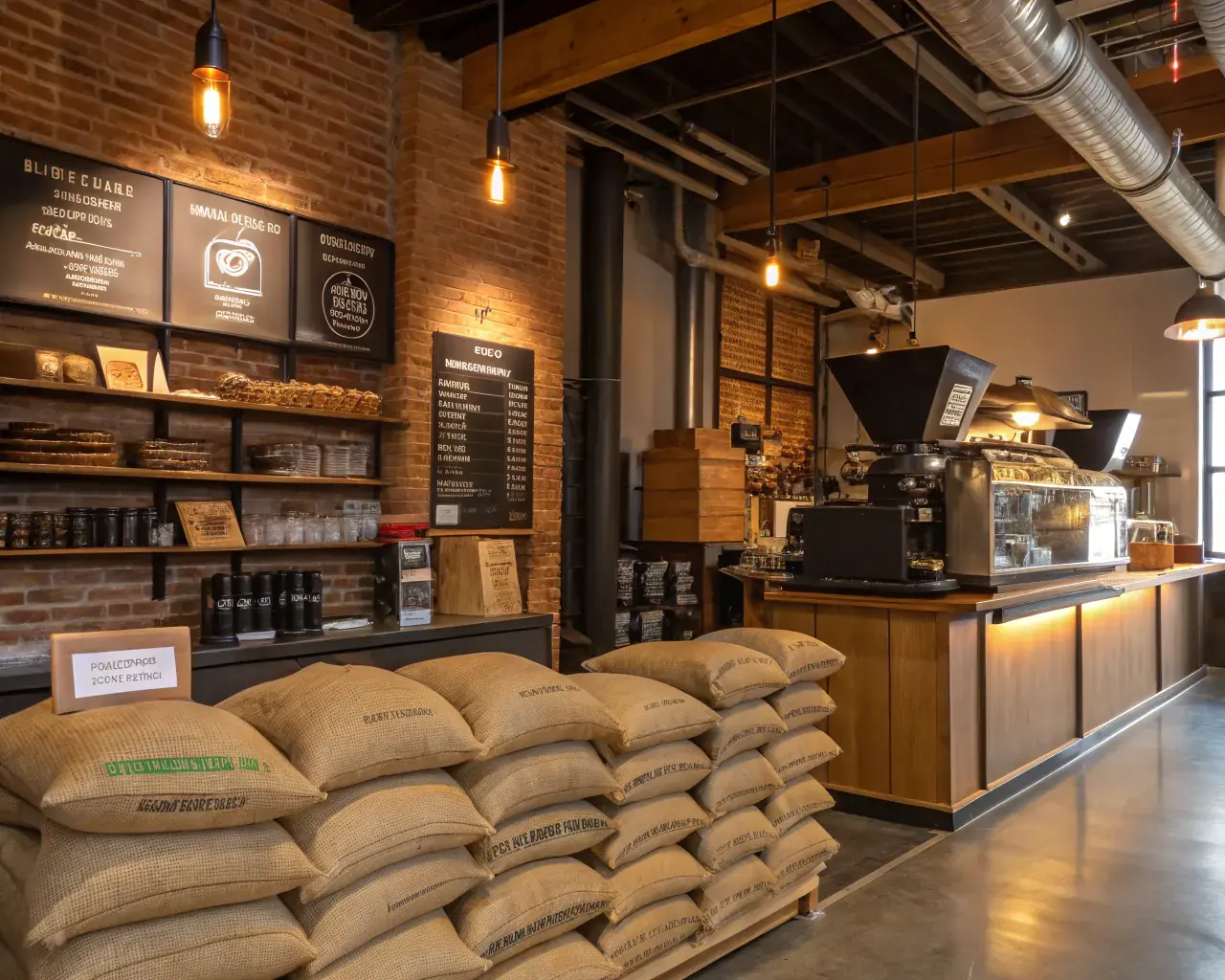
The case for PHA becomes clearest in a direct comparison against the conventional laminate bags that currently dominate the specialty coffee market.
Conventional Multi-Layer Laminates
Strength
Proven barrier performance, established supply chains, low unit cost at scale
Limitation
Unrecyclable in any standard program. 450–500 years to fragment in landfill. Generates microplastics. Petroleum-derived. Regulatory exposure increasing.
Best For
Applications where end-of-life environmental impact is not a consideration
PHA Coffee Bags
Strength
Full biodegradation in marine, soil, home, and industrial composting. Zero microplastics. Petroleum-free. BPA-free. Same barrier performance. Custom print-ready.
Limitation
Higher unit cost vs. conventional laminate — partially offset by sustainability marketing value and regulatory future-proofing
Best For
Any roastery committed to sustainable packaging without compromising freshness, presentation, or operational compatibility
The Story Your Packaging Tells After the Last Cup
Boutique roasters understand that the story behind the coffee matters. Single-origin sourcing, relationship farming, direct trade certifications — these aren't just marketing claims, they're commitments the specialty coffee consumer has come to expect. The packaging that carries that coffee should tell the same kind of story.
A conventional multi-layer bag ends its story in a landfill, where it will slowly fragment over the next five centuries into microplastic particles that enter soil and groundwater. That's the story every boutique coffee brand is unknowingly telling right now — and most consumers, once they understand it, find it jarring against the care invested in everything else.
A PHA coffee bag ends its story in compost — or even in soil or marine environments if improperly disposed. It returns completely to the earth within months. For boutique roasters, that's a story worth telling — and Pure Form Solution provides the TÜV certifications, biodegradability documentation, and marketing language to communicate it authentically.
"Three hundred billion bags a year — and virtually none of them have any way to leave the planet. PHA gives the specialty coffee industry its first genuine answer: the same freshness performance, the same branding surface, and a bag that actually goes away when you're done with it."
— Jim McGinnis, V.P. of Marketing & Sales, Pure Form Solution LLC
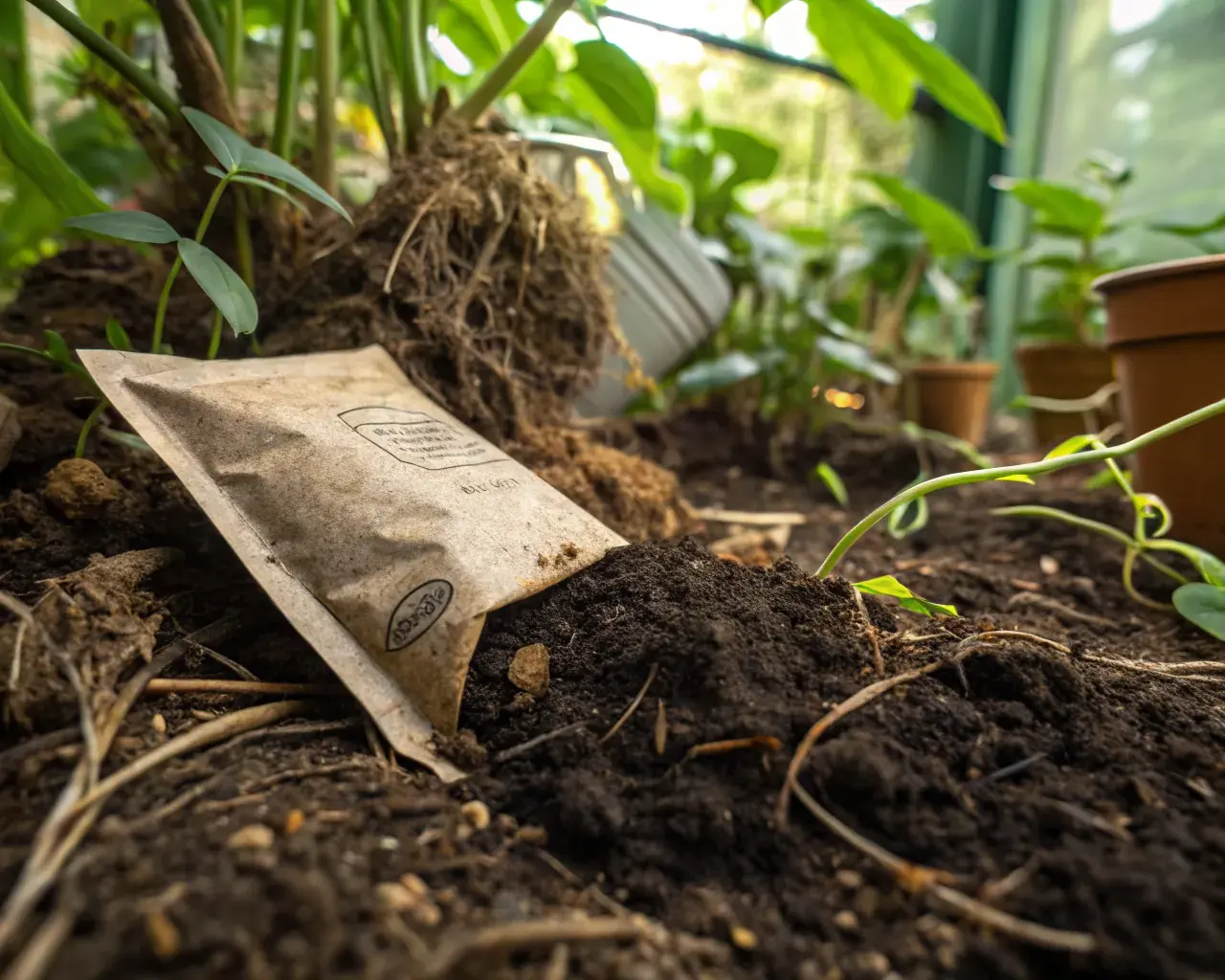
Pure Form Solution's PHA Coffee Bag Program
Pure Form Solution's PHA coffee bag line is engineered to the specifications boutique roasters require — matching conventional multi-layer laminates on barrier performance, format compatibility, and print quality, while delivering complete biodegradability across all real-world disposal environments. Our bags carry TÜV Austria certifications for marine, soil, home, and industrial composting biodegradability.
The Boutique Coffee Sustainability Program pairs each roastery with a packaging consultant who evaluates your current format requirements, configures the right PHA bag specification, and provides the certification documentation and marketing materials your team needs to communicate the switch authentically. Available in 8 oz, 12 oz, 1 lb, and 5 lb formats with flat-bottom or stand-up pouch configurations, one-way degassing valves, and resealable zipper closures.
The transition to PHA coffee bags does not require any changes to your filling line, label artwork specifications, or retail display formats. The switch is seamless for your operations — and the difference for the planet is measured in hundreds of thousands of bags that never spend 500 years in a landfill.
Explore Pure Form Solution Products