
Exploring Plant-Based Packaging Solutions for a Greener Future
- Jim McGinnis

- Jan 5
- 4 min read
In today’s world, the urgency to reduce plastic waste has never been greater. Every day, millions of tons of plastic packaging end up in landfills and oceans, harming ecosystems and wildlife. But what if there was a way to package products that not only protects them but also nurtures the planet? That’s where plant-based packaging solutions come in. These innovations are transforming how we think about packaging, offering eco-friendly alternatives that break down naturally and reduce our carbon footprint. Let’s dive into the exciting world of plant-based packaging and discover how it can help us build a greener future.
Why Plant-Based Packaging Solutions Matter
Plastic packaging has been a staple in industries worldwide due to its durability and low cost. However, its environmental impact is staggering. Traditional plastics are derived from fossil fuels and can take hundreds of years to decompose. This creates a massive waste problem that affects soil, water, and air quality.
Plant-based packaging solutions offer a promising alternative. Made from renewable resources like corn, sugarcane, and bamboo, these materials are biodegradable and compostable. They break down much faster than conventional plastics, often within months, and leave behind no harmful residues.
But the benefits don’t stop there. Using plant-based materials reduces reliance on fossil fuels, lowers greenhouse gas emissions, and supports sustainable agriculture. For businesses and consumers alike, switching to these solutions means making a tangible difference in the fight against pollution.
Imagine your product wrapped in packaging that not only looks good but also tells a story of care for the environment. That’s the power of plant-based packaging solutions.

Innovations in Plant-Based Packaging Solutions
The field of plant-based packaging is evolving rapidly. Researchers and companies are developing new materials and designs that meet the demands of various industries while prioritizing sustainability. Here are some of the most exciting innovations:
Polylactic Acid (PLA) Packaging: Derived from fermented plant starch, PLA is one of the most common bioplastics. It’s used for containers, films, and bottles. PLA is compostable in industrial facilities and offers a clear, glossy finish similar to traditional plastic.
Mushroom Packaging: Made from mycelium, the root structure of mushrooms, this packaging is grown around molds to create custom shapes. It’s fully compostable and can replace foam packaging used for electronics and fragile items.
Bagasse Packaging: Bagasse is the fibrous residue left after sugarcane juice extraction. It’s molded into plates, bowls, and trays that are sturdy, heat-resistant, and biodegradable.
Seaweed-Based Packaging: Seaweed extracts are being used to create edible and biodegradable films. These are ideal for food packaging and can dissolve in water without leaving waste.
Starch-Based Films: These films are made from corn or potato starch and are used as wraps or liners. They are biodegradable and can be combined with other materials for enhanced strength.
Each of these innovations addresses different packaging needs while reducing environmental impact. They also open doors for creative branding and marketing, as consumers increasingly seek products with sustainable packaging.
What is PureForm?
When exploring plant-based packaging, it’s impossible not to mention PureForm. This company is at the forefront of sustainable packaging innovation, offering a pure form solution that combines environmental responsibility with high performance.
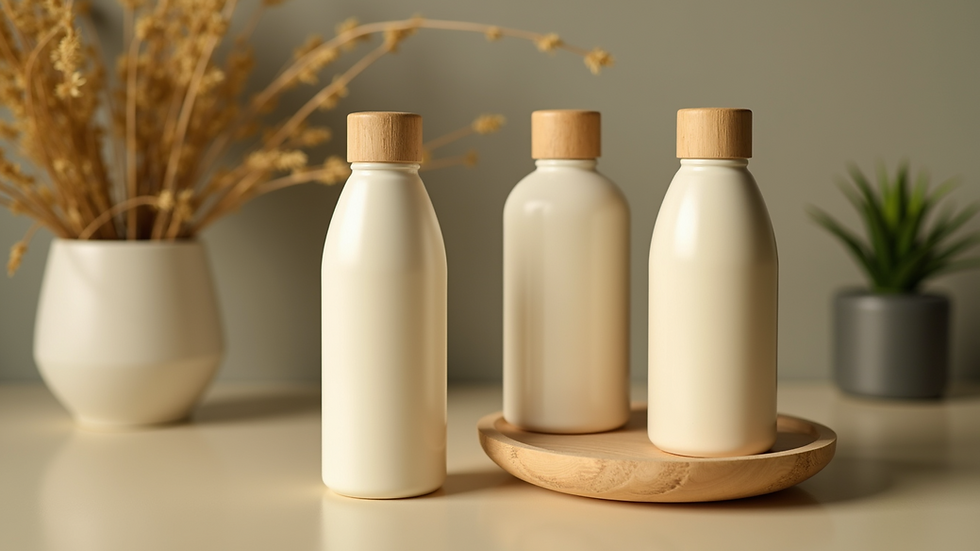
PureForm specializes in creating plant-based bottles and containers that are fully recyclable and compostable. Their products are designed to meet the rigorous standards of industries like cosmetics, food, and beverages, where packaging quality is crucial.
What sets PureForm apart is their commitment to transparency and traceability. They ensure that every step of their production process minimizes environmental impact, from sourcing raw materials to manufacturing and distribution.
By choosing PureForm’s solutions, businesses can confidently reduce their plastic footprint without compromising on product safety or aesthetics. It’s a win-win for companies aiming to lead in sustainability and for consumers who want to make greener choices.

Practical Tips for Adopting Plant-Based Packaging
Switching to plant-based packaging might seem daunting at first, but with the right approach, it can be a smooth and rewarding transition. Here are some practical tips to help you get started:
Assess Your Packaging Needs
Identify which products can benefit most from plant-based packaging. Consider factors like shelf life, protection requirements, and customer expectations.
Research Material Options
Explore different plant-based materials and their properties. For example, if you need heat resistance, bagasse might be ideal. For clear packaging, PLA could work better.
Partner with Trusted Suppliers
Work with companies like PureForm that have proven expertise in sustainable packaging. Verify certifications and ask for samples to test quality.
Educate Your Team and Customers
Communicate the benefits of plant-based packaging internally and externally. Highlight how this change supports environmental goals and encourages responsible disposal.
Plan for End-of-Life Disposal
Ensure your packaging is compatible with local composting or recycling facilities. Provide clear instructions on disposal to avoid contamination.
Monitor and Improve
Track the performance of your new packaging and gather feedback. Use this data to refine your choices and explore further innovations.
By following these steps, you can make a meaningful impact while maintaining product integrity and customer satisfaction.
The Future of Sustainable Packaging
The momentum behind plant-based packaging solutions is only growing. Advances in biotechnology, material science, and circular economy principles are driving new possibilities every day. Here’s what the future might hold:
Increased Customization
Packaging will become more tailored to specific products and brands, using plant-based materials that enhance user experience and sustainability.
Integration with Smart Technologies
Biodegradable packaging could incorporate sensors or QR codes to provide product information and recycling instructions.
Expansion into New Markets
Beyond food and cosmetics, industries like electronics, pharmaceuticals, and fashion will adopt plant-based packaging to meet consumer demand.
Greater Collaboration
Partnerships between businesses, governments, and NGOs will accelerate the development and adoption of sustainable packaging standards.
Consumer Empowerment
As awareness grows, consumers will drive change by choosing products with eco-friendly packaging, encouraging companies to innovate further.
Embracing plant-based packaging solutions is not just a trend; it’s a necessary step toward a healthier planet. By supporting companies that prioritize sustainability, we can all contribute to a future where packaging protects both products and the environment.
If you’re ready to explore plant-based packaging options, consider the pure form solution for a reliable and truly sustainable choice. Together, we can reduce plastic waste and promote a greener tomorrow.


Comments