
How Eco-Friendly Bottle Materials Are Revolutionizing Packaging
- Jim McGinnis

- Jan 7
- 4 min read
In recent years, the packaging industry has witnessed a remarkable transformation. The shift towards eco-friendly bottle materials is not just a trend but a necessary evolution. As we become more aware of the environmental impact of traditional plastic bottles, the demand for sustainable alternatives grows stronger. This change is reshaping how businesses package their products and how consumers make purchasing decisions. But what exactly makes these new materials so revolutionary? Let’s dive into the world of sustainable packaging and explore how eco-friendly bottle materials are changing the game.
Understanding Eco-Friendly Bottle Materials
When we talk about eco-friendly bottle materials, we refer to substances that reduce environmental harm throughout their lifecycle. These materials are designed to be biodegradable, recyclable, or made from renewable resources. Unlike conventional plastics derived from fossil fuels, eco-friendly bottles often come from plant-based sources or recycled content.
Some popular eco-friendly materials include:
Bioplastics: Made from natural materials like corn starch or sugarcane, bioplastics can break down more easily in the environment.
Recycled PET (rPET): This material uses recycled plastic bottles to create new ones, reducing the need for virgin plastic.
Glass and Aluminum: Both are infinitely recyclable and can be reused multiple times without losing quality.
Plant-Based Polymers: Innovative materials derived from cellulose or other plant fibers offer compostable options.
Each of these materials has unique benefits and challenges, but they all contribute to reducing plastic waste and lowering carbon footprints.
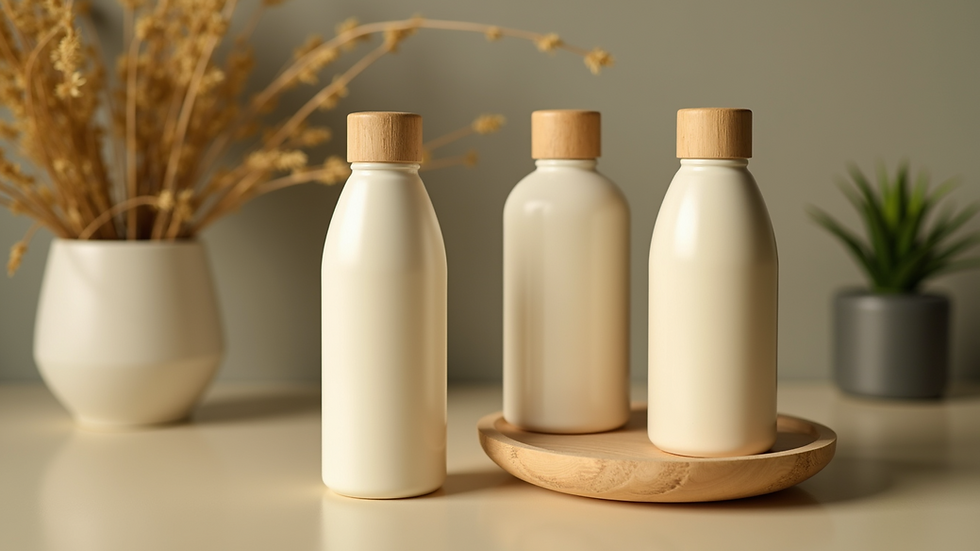
Why Eco-Friendly Bottle Materials Matter
You might wonder, why should we care so much about the materials used in bottles? The answer lies in the environmental consequences of traditional packaging. Plastic pollution is a global crisis, with millions of tons of plastic waste ending up in oceans and landfills every year. This waste harms wildlife, contaminates water sources, and contributes to greenhouse gas emissions.
Switching to eco-friendly bottle materials offers several advantages:
Reduced Plastic Waste: Using biodegradable or recyclable materials helps keep plastic out of the environment.
Lower Carbon Emissions: Plant-based materials often require less energy to produce than fossil fuel-based plastics.
Improved Brand Image: Businesses adopting sustainable packaging appeal to eco-conscious consumers.
Compliance with Regulations: Many regions are introducing stricter rules on plastic use, making sustainable options a smart choice.
By choosing eco-friendly bottle materials, companies can actively participate in environmental stewardship while meeting consumer demand for greener products.
Innovations Driving Sustainable Packaging Forward
The packaging industry is buzzing with innovation. New technologies and materials are emerging that make sustainable bottles more practical and affordable than ever before. Here are some exciting developments:
Plant-Based Bottles
Companies are creating bottles from sugarcane, corn, and other renewable crops. These bottles look and feel like traditional plastic but break down more quickly in the environment.
Water-Soluble Packaging
Imagine a bottle that dissolves in water after use. This technology is still in its early stages but holds promise for reducing waste drastically.
Edible Packaging
Some startups are experimenting with edible films and containers made from natural ingredients. While not yet mainstream, this concept could revolutionize single-use packaging.
Advanced Recycling Techniques
Chemical recycling can break down plastics into their original components, allowing for infinite reuse without quality loss.
Lightweight Designs
Reducing the amount of material used in each bottle lowers resource consumption and transportation emissions.
These innovations are not just theoretical; many are already in use by forward-thinking brands committed to sustainability.

How to Choose the Right Eco-Friendly Bottle Material for Your Business
If you’re considering switching to sustainable packaging, it’s important to select the right material for your product and brand. Here are some practical tips to guide your decision:
Assess Your Product Needs
Consider the type of product you’re packaging. For example, beverages may require materials with specific barrier properties to maintain freshness.
Evaluate Environmental Impact
Look beyond just recyclability. Consider the entire lifecycle, including raw material sourcing, production energy, and end-of-life disposal.
Check Compatibility with Existing Equipment
Switching materials might require changes in manufacturing or filling lines. Ensure your chosen material fits your current setup or plan for upgrades.
Understand Consumer Preferences
Research your target market’s values. Some consumers prefer plant-based bottles, while others prioritize recyclability or reusability.
Consider Cost and Availability
Sustainable materials can sometimes be more expensive or harder to source. Balance your sustainability goals with budget constraints.
Partner with Trusted Suppliers
Work with companies that specialize in eco-friendly packaging and can provide certifications or proof of sustainability.
By carefully weighing these factors, you can make an informed choice that benefits both your business and the planet.
Practical Steps to Implement Sustainable Bottling Solutions
Transitioning to sustainable packaging might seem daunting, but breaking it down into manageable steps makes the process smoother. Here’s a roadmap to get started:
Conduct a Packaging Audit
Analyze your current packaging materials, waste generation, and environmental impact.
Set Clear Sustainability Goals
Define what you want to achieve, such as reducing plastic use by a certain percentage or switching to 100% recyclable bottles.
Research and Test Materials
Request samples and conduct trials to ensure the new bottles meet quality and performance standards.
Engage Stakeholders
Involve your team, suppliers, and customers in the transition to build support and gather feedback.
Educate Consumers
Use labeling and marketing to explain the benefits of your new packaging and encourage proper disposal or reuse.
Monitor and Improve
Track progress against your goals and be open to adopting new innovations as they become available.
Taking these steps will help you integrate sustainable bottles into your packaging strategy effectively.
Embracing the Future of Packaging
The future of packaging is undoubtedly green. As more businesses and consumers prioritize sustainability, the demand for eco-friendly bottle materials will continue to rise. By adopting these innovative solutions, companies can reduce their environmental footprint, meet regulatory requirements, and connect with a growing base of conscious buyers.
If you’re ready to make a positive impact, consider exploring options like the sustainable bottle solutions offered by Pure Form Solution. Their plant-based packaging options represent the cutting edge of eco-friendly innovation, helping you lead the way toward a healthier planet.
Together, we can revolutionize packaging and create a cleaner, more sustainable world—one bottle at a time.


Comments